Finding ways to differentiate math practice for students can be tricky. As teachers, we NEED to do it and WANT to do it. However, sometimes we are short on time or unsure of the best ways to do it. After you teach a new math skill during whole group instruction, it’s time to give your students some practice time with the new skill. Here are 3 ways to differentiate math practice for students in your classroom:
1. SMALL GROUP INSTRUCTION
As teachers, we should constantly be providing small group instruction to students in all subject areas. There have been quite a few years in which I’ve had a wide range of learners in my class. Pulling small groups and providing tailored support is extremely important so that you can provide every student with what they need. Some may need more support, and some may need enrichment, depending on the lesson taught. For instance, you may have 5 or 6 different levels of math groups in your room. Check out How to Start Differentiating During Your Math Block for help with how to group students.

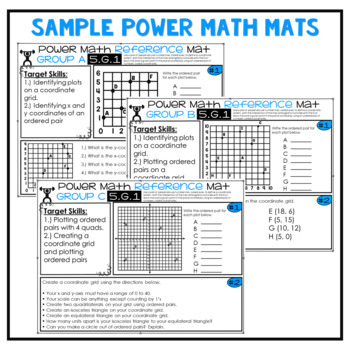
Power Math Reference Mats
One activity that I love to use during small groups for differentiation is POWER Math Reference Mats. POWER Math Reference Mats help assist teachers during math rotations. Each math target skill comes with various problems for you to give to your students when working in small groups. Group A is for students who are in need of remediation, Group B is for students working on grade level, and Group C is for students who need enrichment. Each mat comes with target skills that match the needs of each student level in your class. In addition, there are questions/problems for each target skill to give to your students. The best part is that these are LOW PREP which is every teacher’s dream! All you need is whiteboards and expo markers or paper and pencils to go with them.

2. ASSIGN AUTO-GRADING ACTIVITIES
Have you ever tried assigning auto-grading activities? It is seriously life-changing as a teacher! How many times have we given up part of our personal life to grade student papers at 8 pm on a Friday night? For those moments when you can’t be there, auto-grading resources are a great way to differentiate. Why? They provide immediate feedback to students and you when the activity is complete. If you use or create activities in Google Sheets or Google Forms, they most likely have an auto-grading feature. Read more on why digital math activities are perfect for the classroom.

Digital Pixel Mystery Pictures
My favorite auto-grading activities for math differentiation are Digital Pixel Art Mystery Pictures. My students go crazy for these! These are ready-to-go activities for Google Excel that review a specific math skill. As students correctly answer various questions (both procedural and conceptual based) a fun mystery picture will start to reveal. This activity is both self-grading and interactive for students! These work perfectly to see if students grasped the new concept after whole group instruction. You can also add them into math centers, use for morning work or just use for fun! These are especially great because they are ALL DIGITAL. This means that there’s no sloppy coloring or students taking too long to color in each answer.


3. USE TIERED ASSIGNMENTS
The next best thing besides you providing support is pulling resources that have BUILT-IN scaffolding. I’m talking about using resources that support different levels of understanding . Tiered assignments have the same content and objectives, but the levels are differentiated depending on student needs. This is what is so great about them! Level On Differentiated Math Tasks are the perfect assignments for math practice that do this.
Level On Differentiated Math Tasks
These are ready to print math tasks with high interest topics. The questions build in complexity are tiered so you can differentiate your classroom based on student ability. All students get the same information sheet. Then there are 3 levels of differentiated questions about it. There are small (discrete) icons at the top of each question sheet so you can give students the questions that apply to their math level.


ALWAYS TRY TO DIFFERENTIATE MATH PRACTICE
Remember, not all students are on the same level in your classroom. Differentiation is very important in all subject areas, especially math and ELA. When you differentiate instruction, your students will be happier and more confident in math. Once you start to plan for differentiation in math, it becomes easier each week. Use these tips for 3 ways to differentiate math practice for students and let me know how it goes!