For many years now, the words fluency and fluently have been sprinkled all throughout elementary math standards.
And yet, if you ask ten teachers what fact fluency means, you may hear ten different answers.
Some will say it means students can answer quickly.
Some will say it means students get the answer correct.
Some will say it means students have their math facts memorized.
And yes, speed and accuracy are part of fact fluency.
But they are not the whole story.
True fact fluency is so much more than students being able to shout out answers quickly or complete a timed test in under a minute. When students are truly fluent, they can solve accurately, choose efficient strategies, think flexibly, and explain how they got their answer.
That is the part we cannot skip.
Because if we only focus on fast answers, we may miss whether students actually understand the math happening behind those answers.
And that matters.
Fact Fluency Is More Than Fast and Accurate
The most common definition of fact fluency is “fast and accurate.”
That definition is not completely wrong. We do want students to solve math facts with accuracy. We also want them to become more efficient over time.
But if we stop there, we are only looking at the surface.
Fact fluency also includes:
- Efficient methods for solving
- Flexibility in computation
- Conceptual understanding
- The ability to explain solving methods
- An understanding of operations and place value
- The ability to check if an answer makes sense
That means fact fluency is not just about what answer a student gives.
It is also about how they think.
A student who knows that 8 + 7 equals 15 because they memorized it has one pathway. A student who knows 8 + 7 equals 15 because they can make a ten, decompose 7 into 2 and 5, and explain that 8 + 2 + 5 equals 15 has a much deeper understanding.
That student is not just recalling.
That student is reasoning.
And reasoning is where real fluency begins.
If your students need help organizing the strategies they can use to solve mentally, this is a great place to introduce a number sense strategy tool.
This freebie is a great support for helping students understand what different number sense strategies mean and what they can look like in action.
Why Memorization Alone Is Not Enough
Let’s be honest. Math facts do need to become automatic.
Students should not have to spend all of their mental energy figuring out basic facts forever. Automaticity helps them tackle larger, more complex math concepts with confidence.
But memorization should not be the only goal.
When we rely only on repetition, students may memorize facts without understanding them. They may know an answer one day and forget it the next. They may freeze when the problem looks even slightly different. They may become dependent on tricks instead of building number sense.
That is why students need more than repeated exposure to symbolic equations like:
5 + 3
6 x 4
24 ÷ 6
They need to see what those numbers mean.
They need visuals.
They need number conversations.
They need hands-on practice.
They need opportunities to compose, decompose, compare, group, and reason.
That is how math facts begin to stick.
Number Sense Builds Stronger Fact Fluency
If fact fluency is the goal, number sense is the foundation.
Students need to understand how numbers work before they can confidently manipulate them.
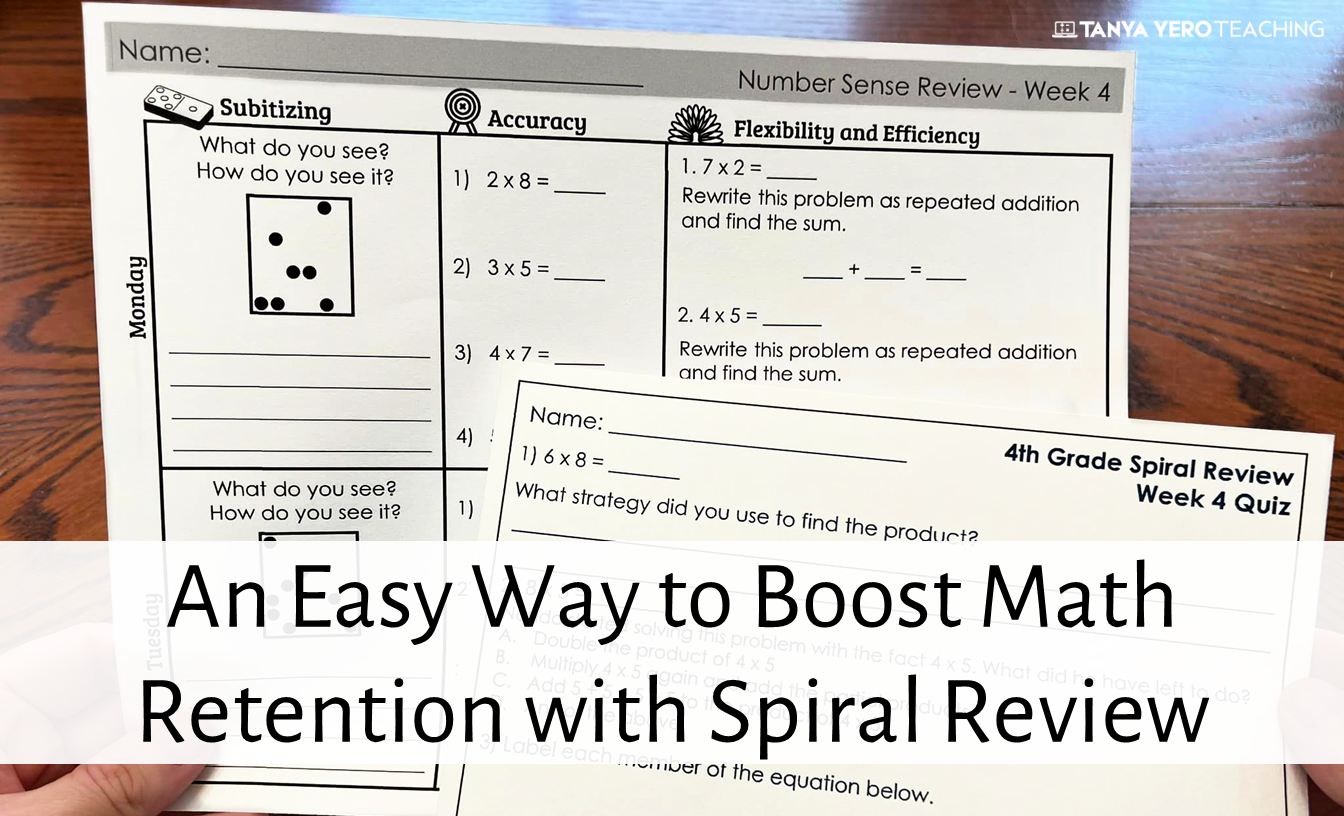
That means they need practice seeing numbers in different ways. They need to recognize patterns, use friendly numbers, break numbers apart, and put them back together.
For example, a student working on addition facts may need to see 9 + 6 as:
9 + 1 + 5
10 + 5
15
A student working on multiplication may need to understand 6 x 4 as:
6 groups of 4
4 groups of 6
An array
Repeated addition
A visual model
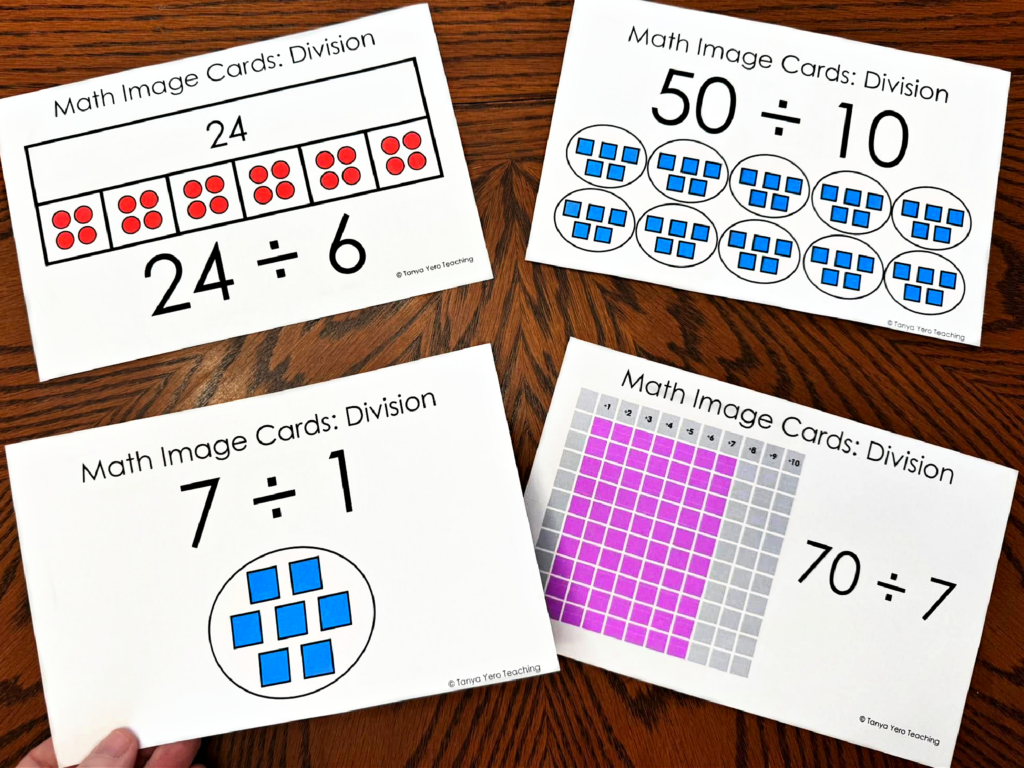
A student working on division may need to see 24 ÷ 6 as:
24 split into 6 equal groups
How many are in each group?
The inverse of 6 x 4
A model with equal groups
These visual and strategic connections help students build a mental library of numbers.
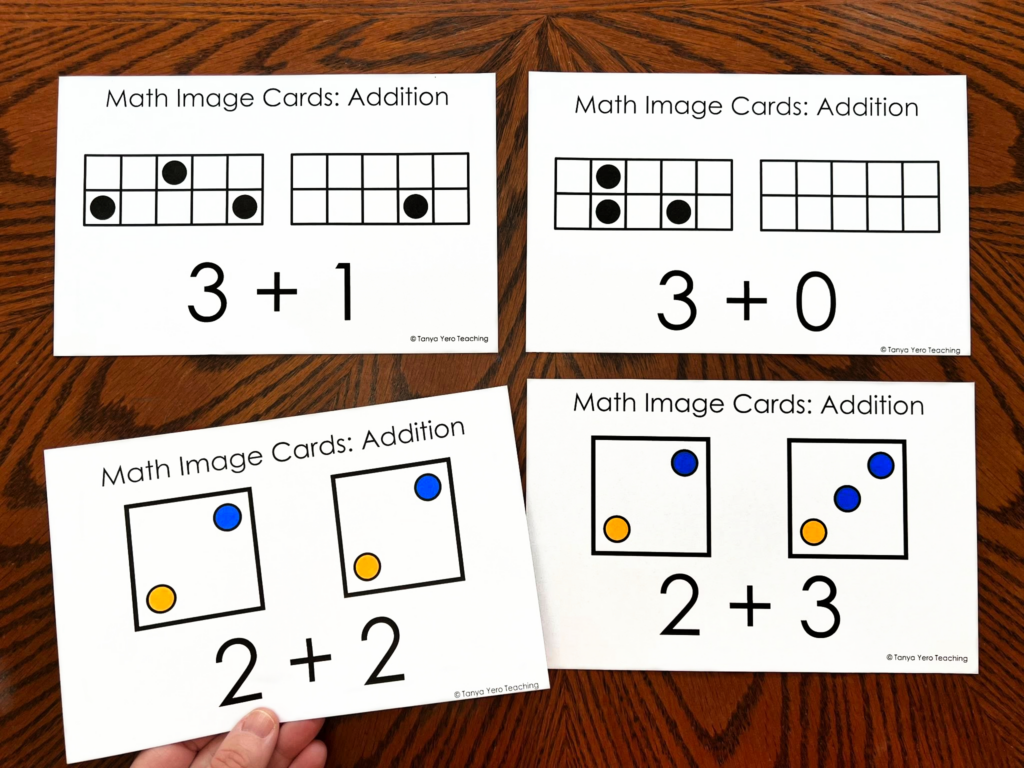
And once students have that mental library, they are much more prepared to recall facts with confidence.
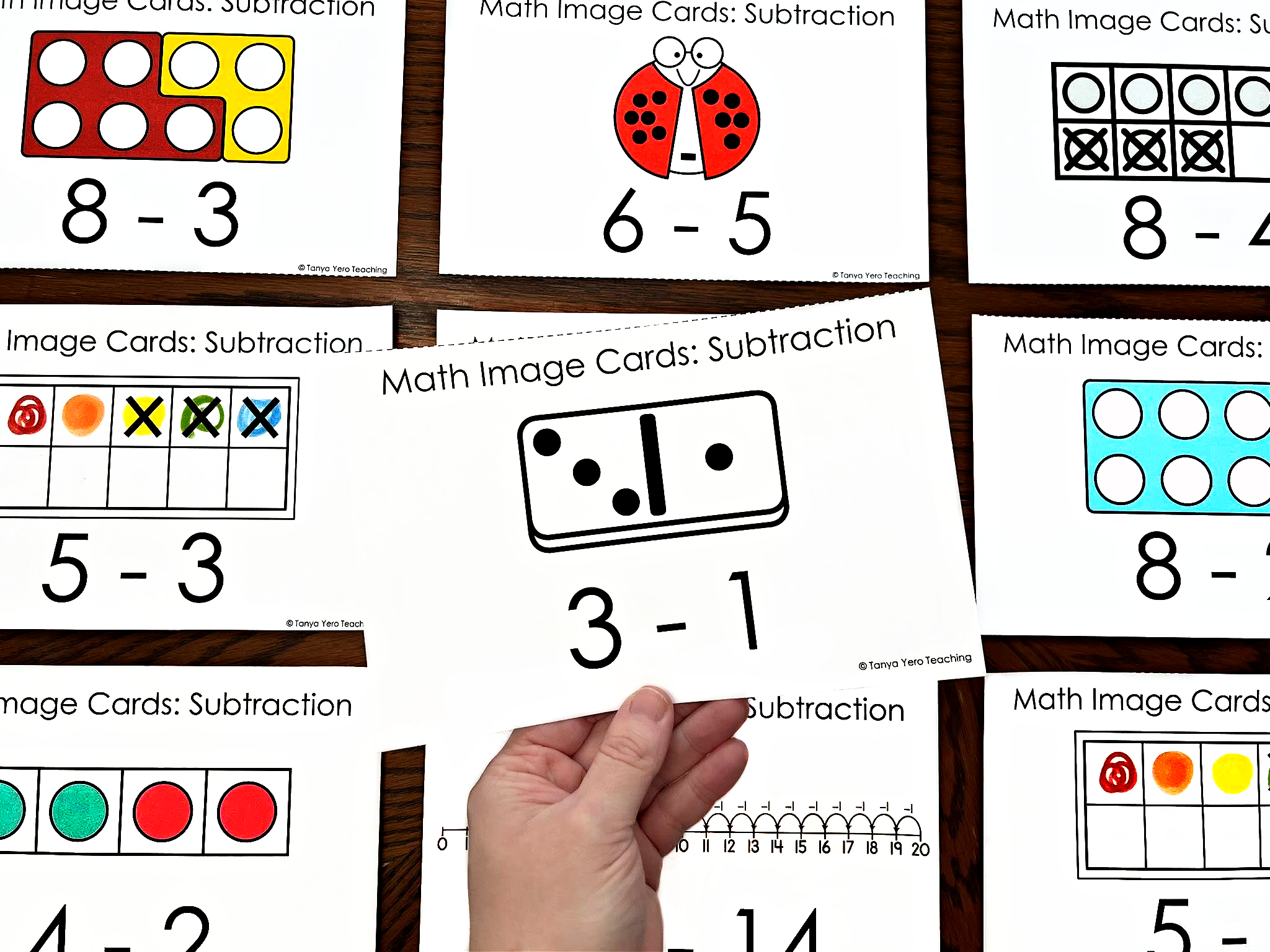
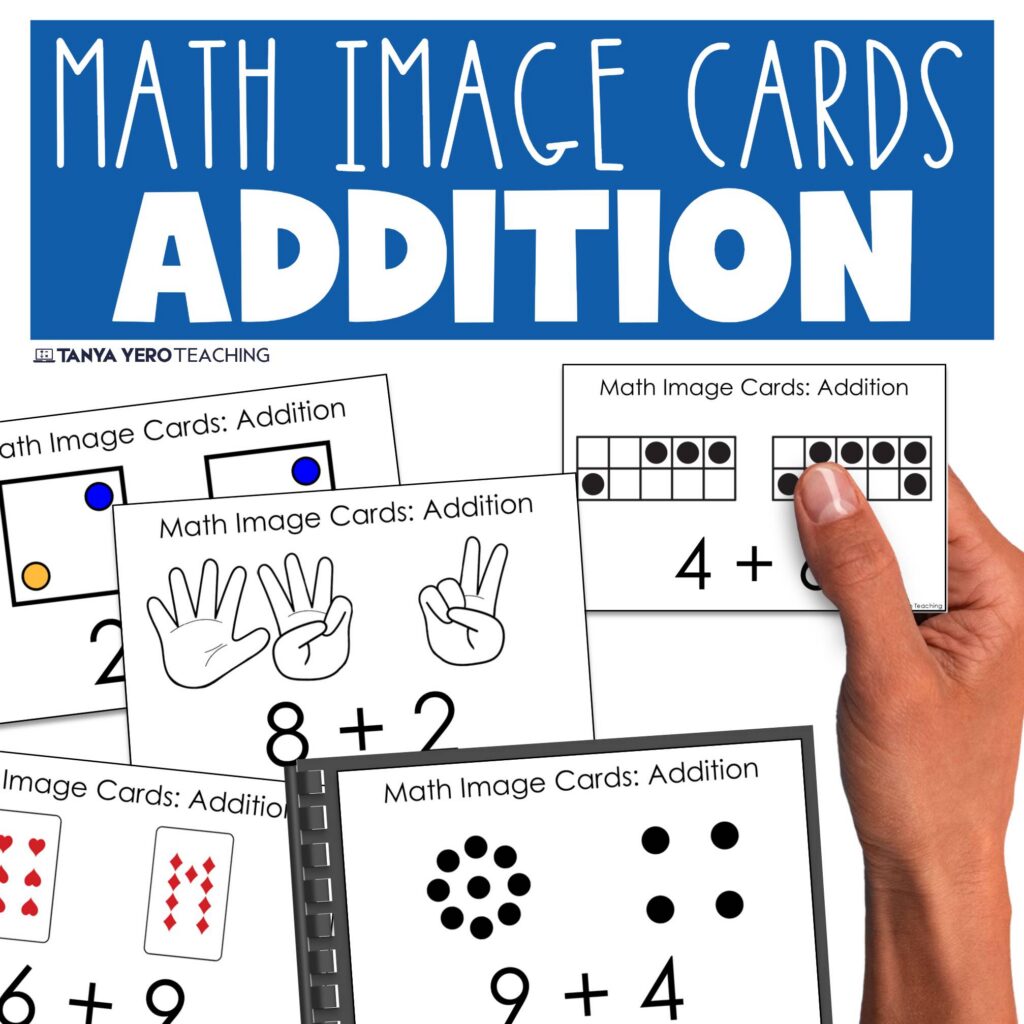
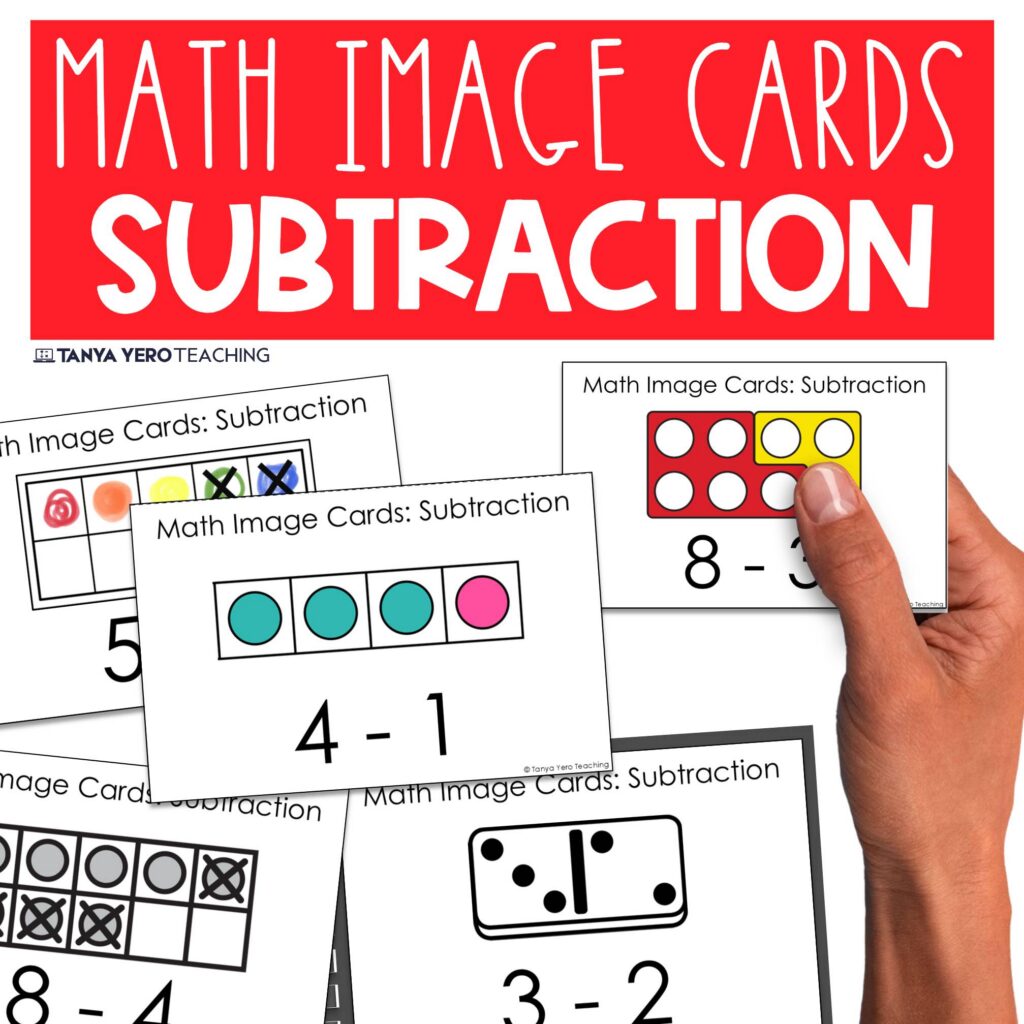
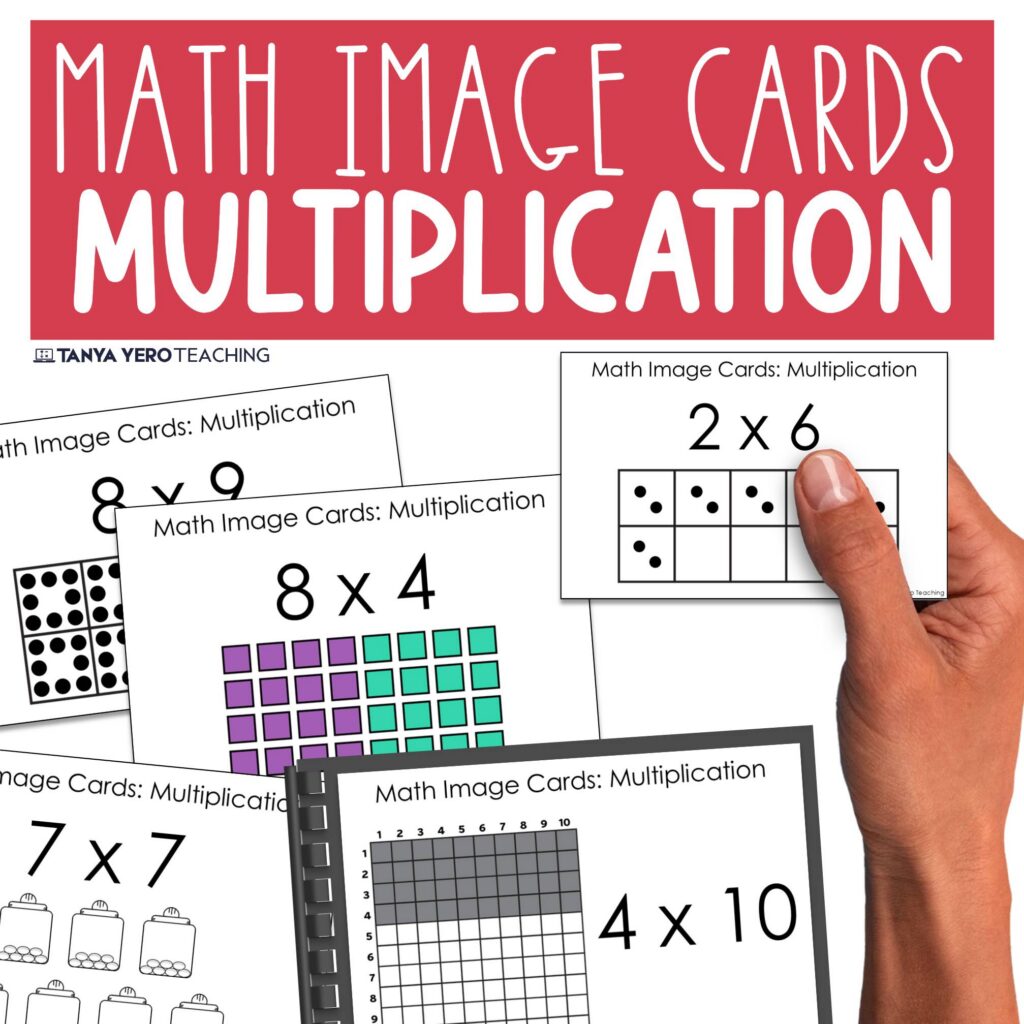
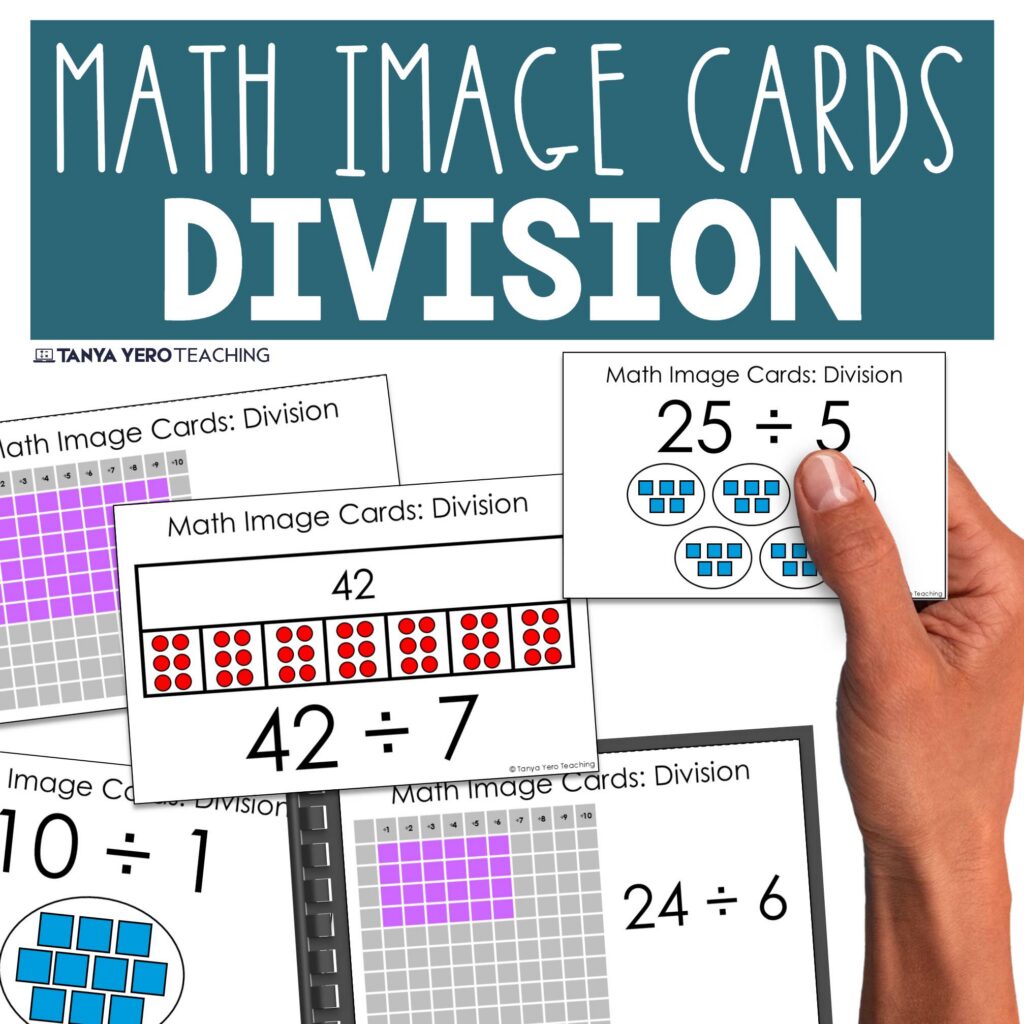
Want students to see these strategies in action? Visual math cards are a simple way to connect symbolic equations to the quantities students are actually working with.
Why Timed Tests Can Be Tricky
Timed tests are often used to measure fact fluency, but they do not always give us the full picture.
A timed test may tell us whether a student can answer quickly under pressure.
But it may not tell us whether the student understands the operation, can explain their thinking, or has flexible strategies for solving.
For some students, timed tests create anxiety. They may know the math, but the pressure causes them to shut down. For others, timed tests reward memorization without revealing whether the student has conceptual understanding.
That does not mean teachers should never measure speed.
It just means speed should not be the only thing we measure.
When assessing fact fluency, we also want to look for:
- Can the student explain their thinking?
- Can they solve the problem another way?
- Can they use a visual model?
- Can they recognize an unreasonable answer?
- Can they apply the fact in a different context?
Those questions give us a much stronger picture of true fluency.
Simple Ways to Build Fact Fluency in Your Classroom
The good news? Building fact fluency does not have to take over your math block.
Small, consistent routines can make a big difference.
Here are a few ways to get started.
1. Add Daily Visual Number Sense Routines
Give students quick opportunities to look at numbers visually.
You can use dot images, ten frames, arrays, number bonds, bar models, or visual flash cards. Ask students what they notice. Let them explain how they see the number.
This helps students move beyond symbols and begin forming mental images of quantities.
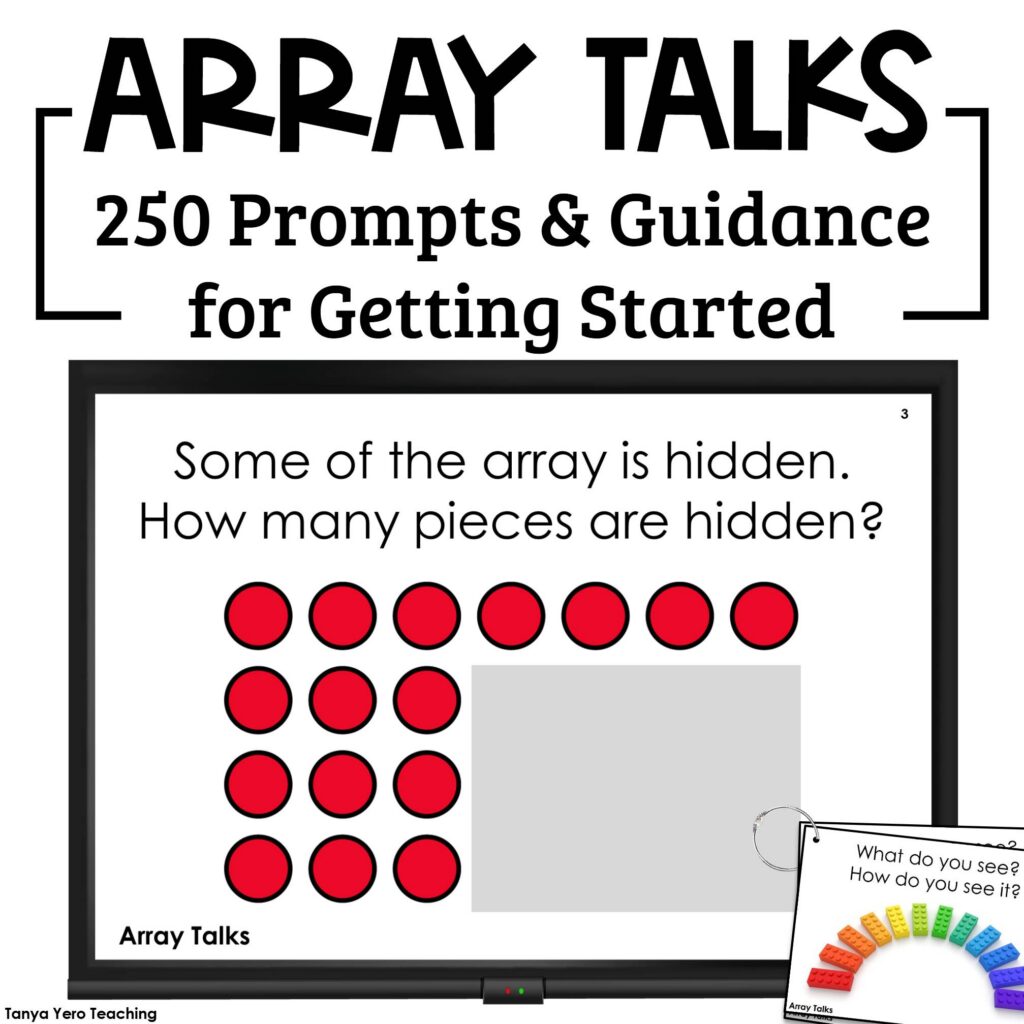
For upper elementary classrooms, Array Talks are a great way to bring visual multiplication practice into quick number sense routines.
2. Use Number Talks
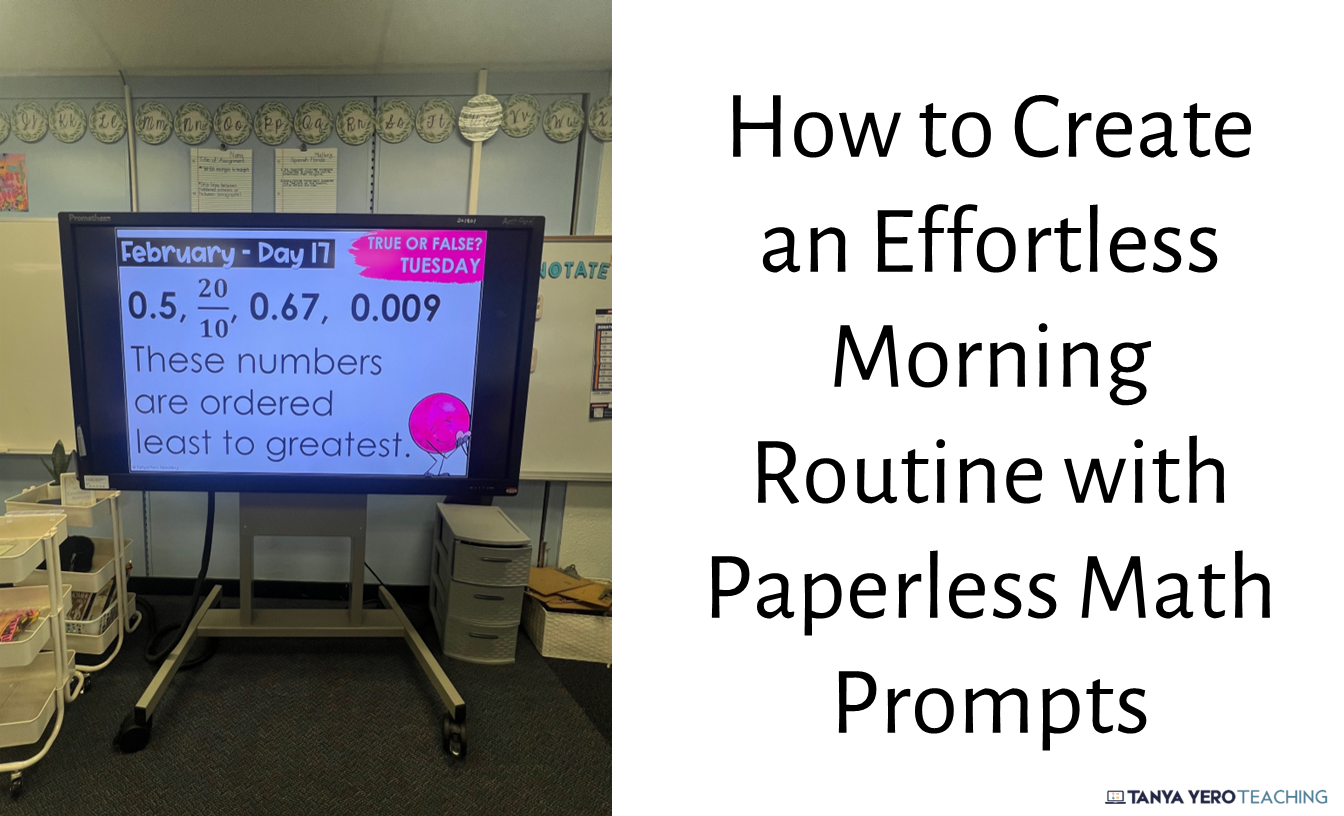
Number talks are one of the best ways to hear student thinking.
Display a problem, give students think time, and then ask them to share different strategies. The goal is not just the answer. The goal is the conversation.
Students learn that there is more than one way to solve a problem, and they begin adding new strategies to their own math toolbox.
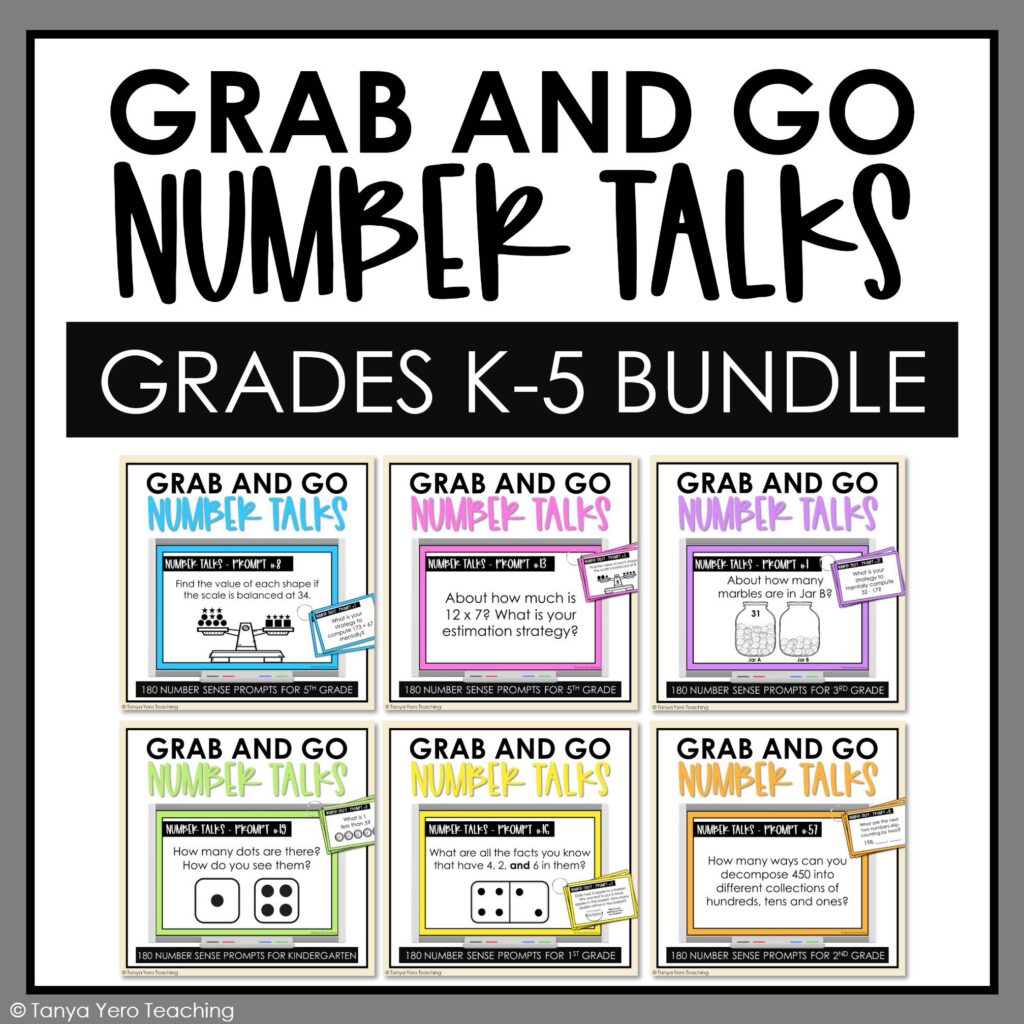
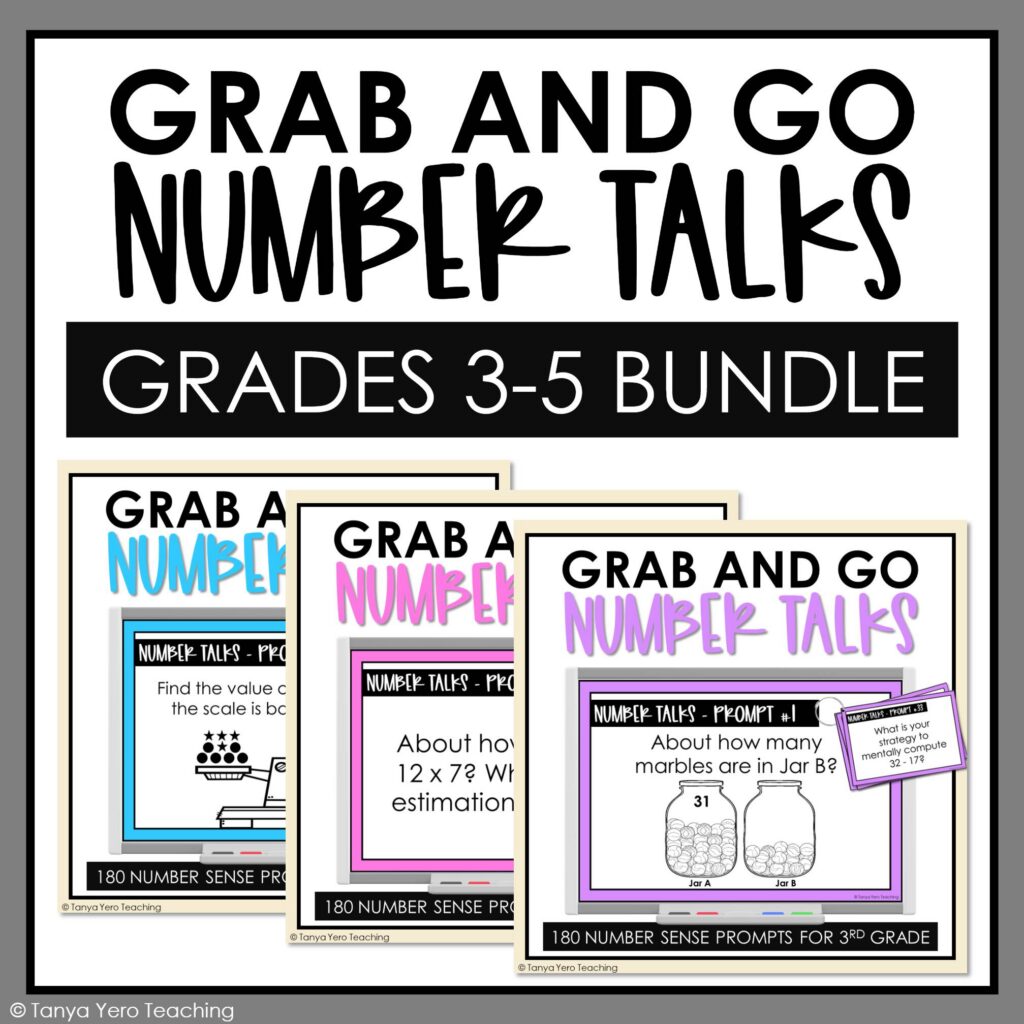
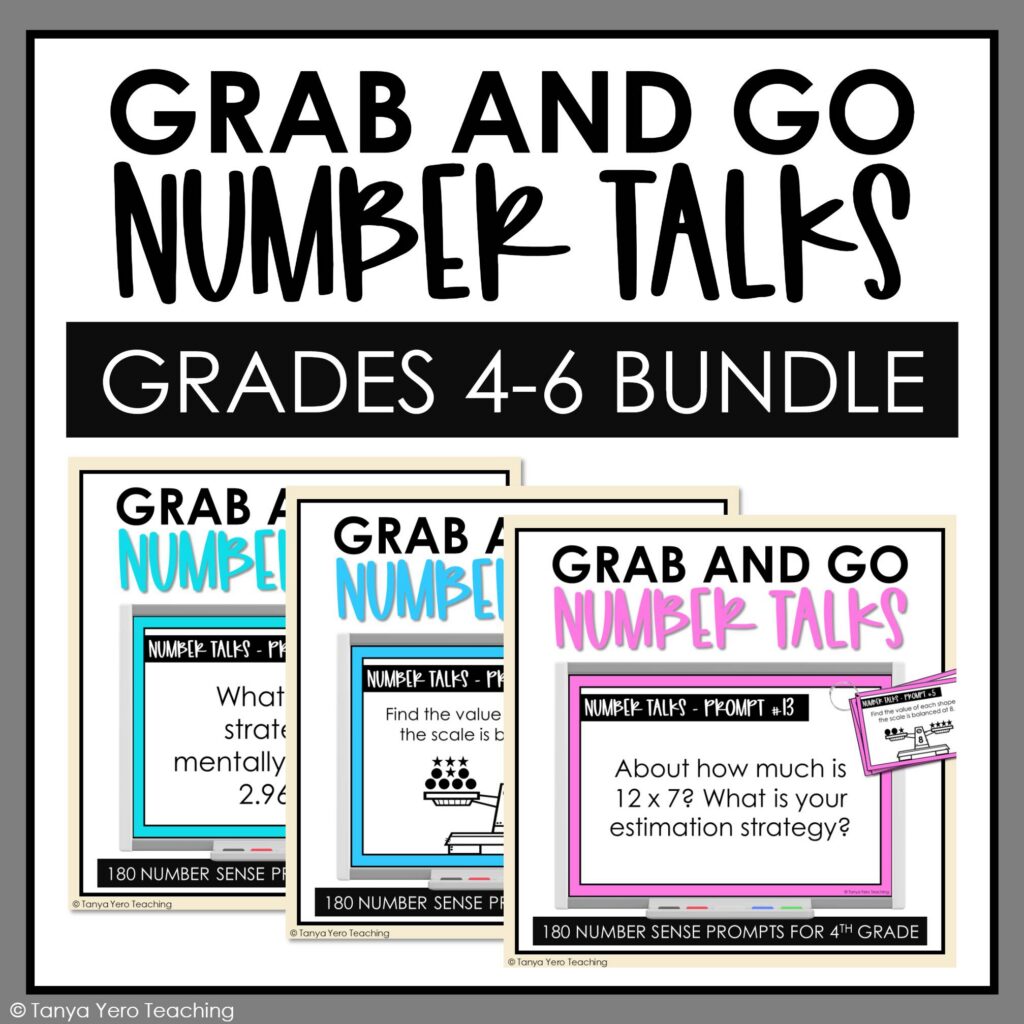
Need ready-to-use prompts instead of creating your own from scratch?
3. Connect Symbols to Visuals
When students see only equations, they may miss the meaning behind the math.
Try pairing symbolic facts with visual representations.
For example:
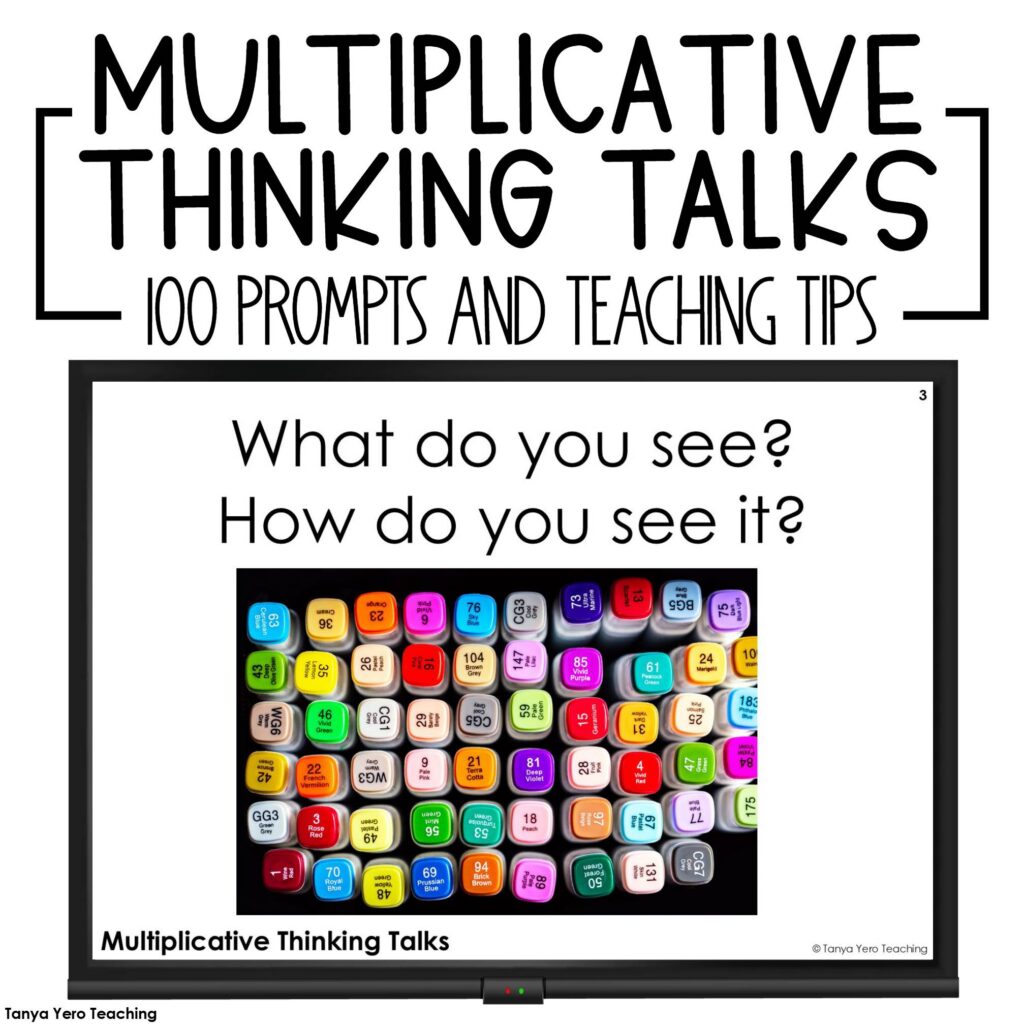
6 x 4 can be shown as an array.
18 ÷ 3 can be shown with equal groups.
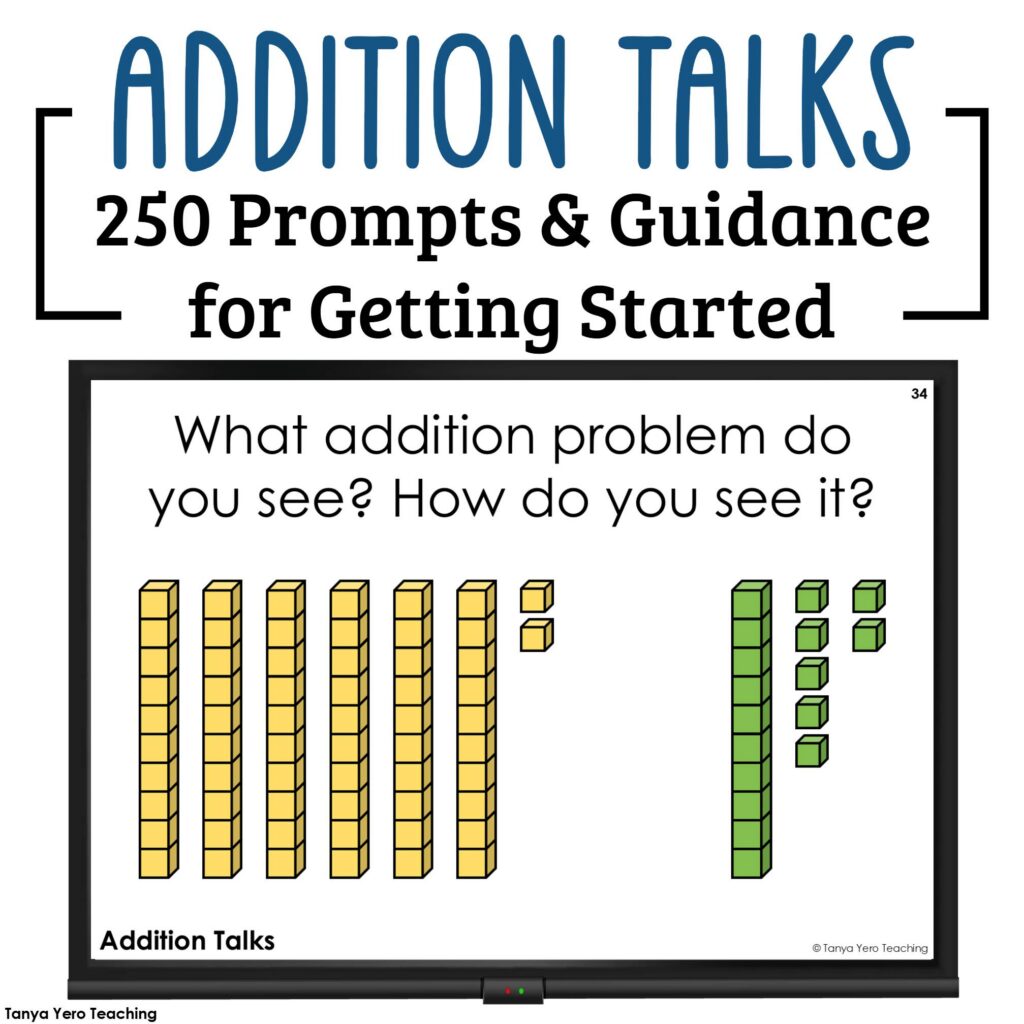
7 + 5 can be shown with ten frames or number bonds.
This helps students connect the abstract math to something they can actually see and understand.
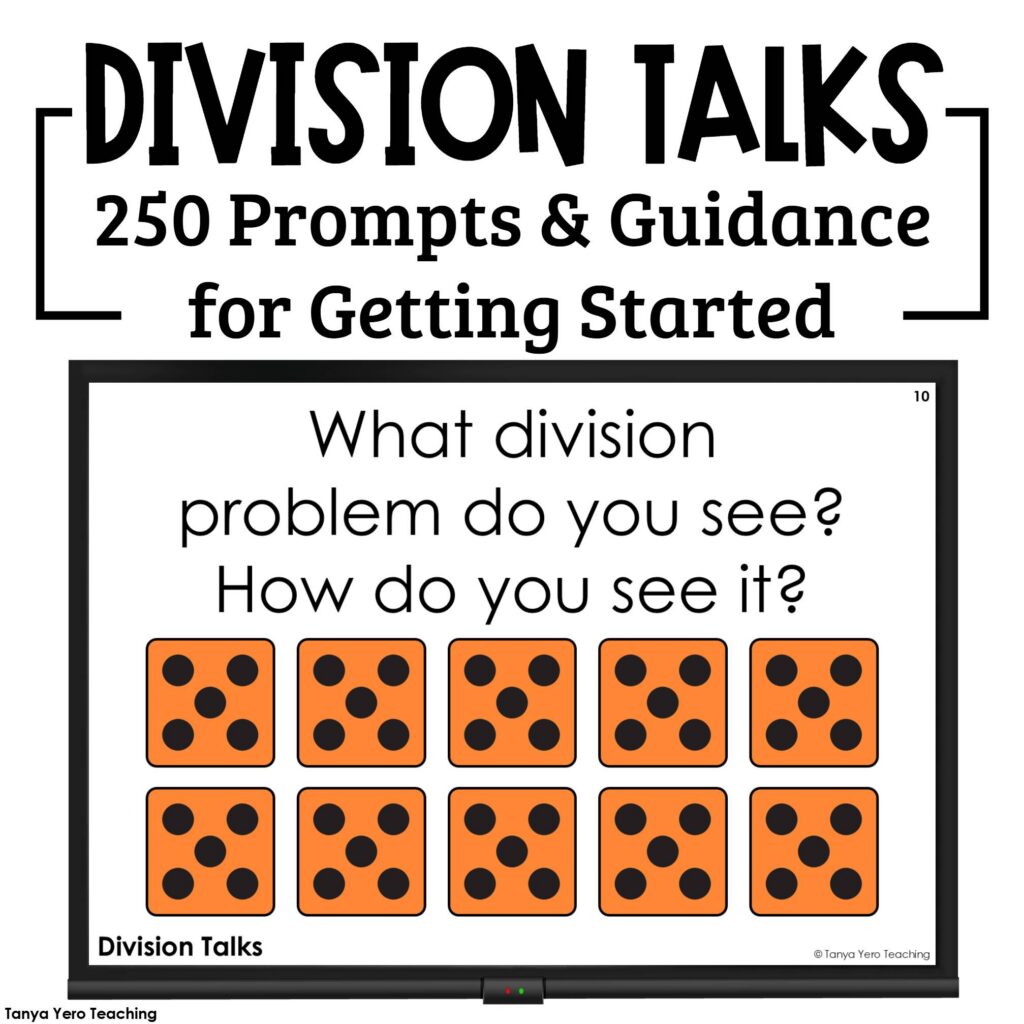
4. Let Students Explain Their Thinking
When students explain their strategies, they deepen their understanding.
A student who can explain why 9 + 8 equals 17 is showing more than memorization. They are showing flexibility, reasoning, and understanding.
Try asking:
“How did you see it?”
“Can you solve it another way?”
“What strategy did you use?”
“How do you know your answer makes sense?”
These questions help shift the focus from answer-getting to sense-making.
Fact Fluency Takes Time
Fact fluency does not happen overnight.
It is built through repeated, meaningful experiences with numbers.
Students need time to see numbers, talk about numbers, move numbers, break numbers apart, and put them back together. They need chances to make connections between visual models and symbolic equations.
And yes, over time, many facts will become memorized.
But the strongest memorization happens when students understand what those facts mean.
That is the sweet spot.
Fact fluency is not just about speed.
It is about accuracy, flexibility, efficiency, and understanding.
When we give students opportunities to build number sense, visualize quantities, and explain their thinking, we help them become more confident mathematicians.
So instead of asking, “How can I get my students to memorize their facts faster?”
Try asking:
“How can I help my students understand numbers better?”
That shift can change everything.
For more ready to use resources shop https://www.teacherspayteachers.com/store/tanya-yero-teaching