Have you ever looked around during independent math practice and realized that one student is rushing, two students are asking what they are supposed to do, and another student is staring at the page waiting for you to come over?
Yep. I have been there too.
Independent math practice is supposed to give students time to apply what they have learned. It should also give you an opportunity to meet with a small group, work one-on-one with a student, or simply check in with the rest of your class.
But independent practice can be tricky to get right.
If the work is not engaging, students quickly lose interest.
If the format changes too often, they spend more time trying to understand the directions than actually practicing math.
And if the questions are too repetitive, students may simply go through the motions without thinking about the math at all.
The problem is not that students need less practice. They need better practice.
I wanted independent work that was meaningful, consistent, and engaging. I also wanted my students to be able to complete it without me having to hover over them the entire time.
Here are a few ways you can make independent math practice more purposeful while also building stronger, more confident mathematicians.
What Makes Independent Math Practice Effective?
Not every worksheet or activity provides the same quality of practice.
Meaningful independent math practice should help students apply what they have learned, make decisions about their strategies, and explain their mathematical thinking.
Here are four things I look for when choosing independent math activities.
1. The Routine Feels Familiar
Students should not have to learn a brand-new activity format every time they begin independent work.
When the routine and format are familiar, students can spend less time asking questions such as:
- Where do I write my answer?
- What am I supposed to do next?
- Which page should I complete?
- What do I do when I finish?
A predictable format helps students begin working more independently and allows them to focus on the actual math.
2. The Questions Require Real Thinking
A page filled with twenty nearly identical problems may help students practice a procedure, but it does not always require them to think deeply.
Meaningful independent practice should ask students to decide:
- What is this problem asking?
- Which operation or strategy should I use?
- What information is important?
- Does my answer make sense?
- Can I explain how I solved it?
Students need opportunities to do more than repeat a process. They need to apply their math understanding in different situations.
3. Previously Taught Skills Come Back
Nothing is more frustrating than teaching a concept, watching students master it, and then realizing several weeks later that they no longer remember how to use it.
And this happens to all of us!
There simply is not enough time to completely reteach every previously taught skill while also making it through the rest of the curriculum. That is why students need consistent opportunities to revisit math concepts throughout the year.
4. Students Can Manage the Work Independently
Independent practice should be challenging enough to be meaningful, but familiar enough that students do not need constant teacher support.
That does not mean every student will complete every problem perfectly.
It means students understand the routine, know which tools are available, and have strategies for what to do when they get stuck.
Independence grows when students know what is expected of them.
Use More Than One Type of Math Review
When we hear the words “math review,” it is easy to picture a worksheet filled with previously taught problems.
But there are actually different types of practice, and each one serves an important purpose.
Block Practice
Block practice focuses on the skill students just learned.
For example, after teaching students how to compare fractions, you may give them several comparison problems to solve. The problems are similar because students are still learning the process and building accuracy.
Block practice is helpful when students need to become more comfortable and efficient with a new skill.
Mixed Review
Mixed review combines concepts from several recent lessons.
Instead of solving ten problems that all require the same operation, students must decide which strategy or operation applies to each problem.
This is important because students will not always be told, “This is a multiplication problem” or “Use the fraction strategy you learned yesterday.”
They have to determine what the problem requires.
Distributed Practice
Distributed practice brings a skill back after some time has passed.
Students may revisit a concept several days, weeks, or even months after they originally learned it. This requires them to retrieve what they remember and apply the skill again.
Distributed practice is one of the ways we can keep previously taught material fresh without stopping to reteach an entire unit.
Your math block needs a balance of all three.
Students need focused practice while they are learning a skill, mixed practice that requires them to select a strategy, and distributed practice that helps them revisit learning throughout the year.
The good news is that you do not need three completely separate systems to make that happen.
5 Ways to Use Math Project Booklets for Independent Practice
I created my Math Project Booklets to fill a gap I had in my own classroom.
I needed high-quality math review that students could complete independently. I also wanted the activities to feel meaningful and engaging without requiring hours of preparation.
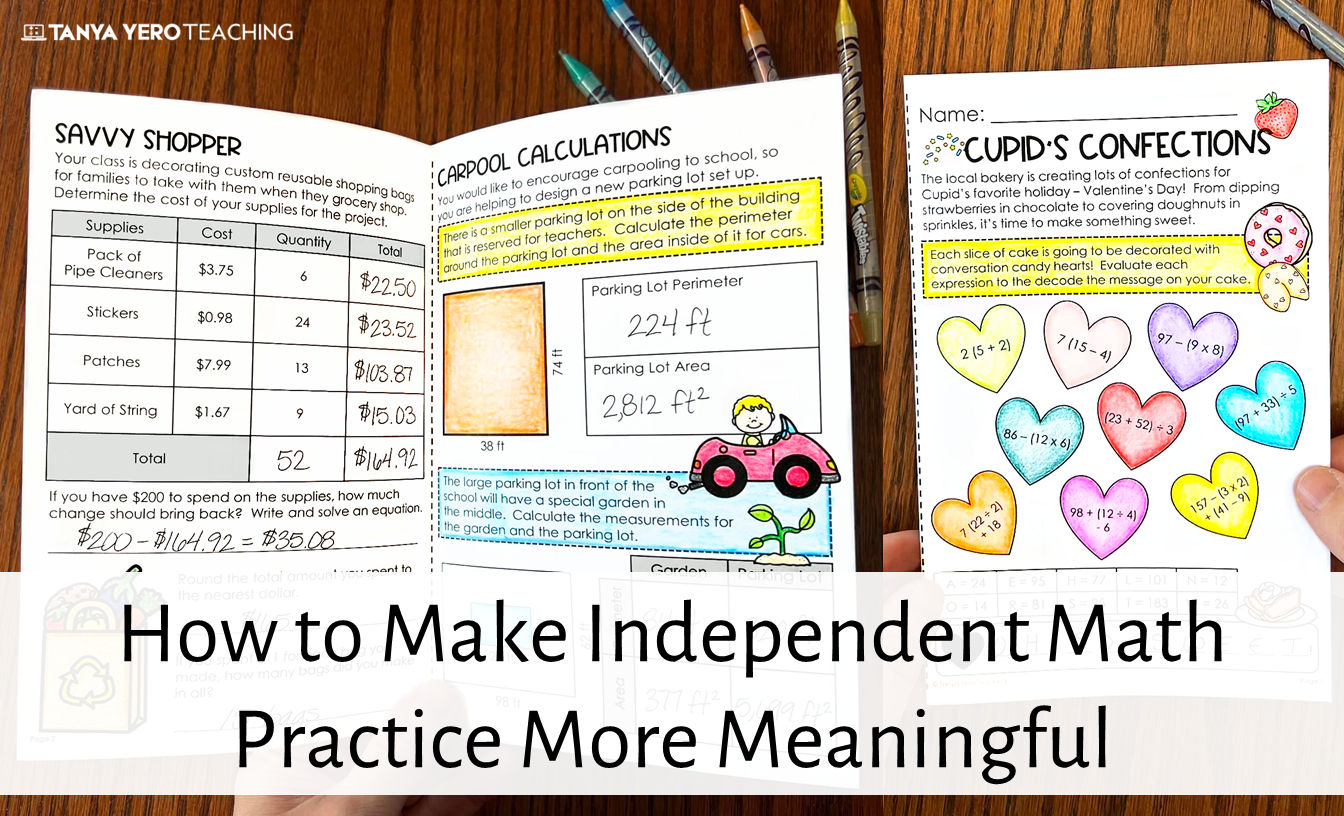
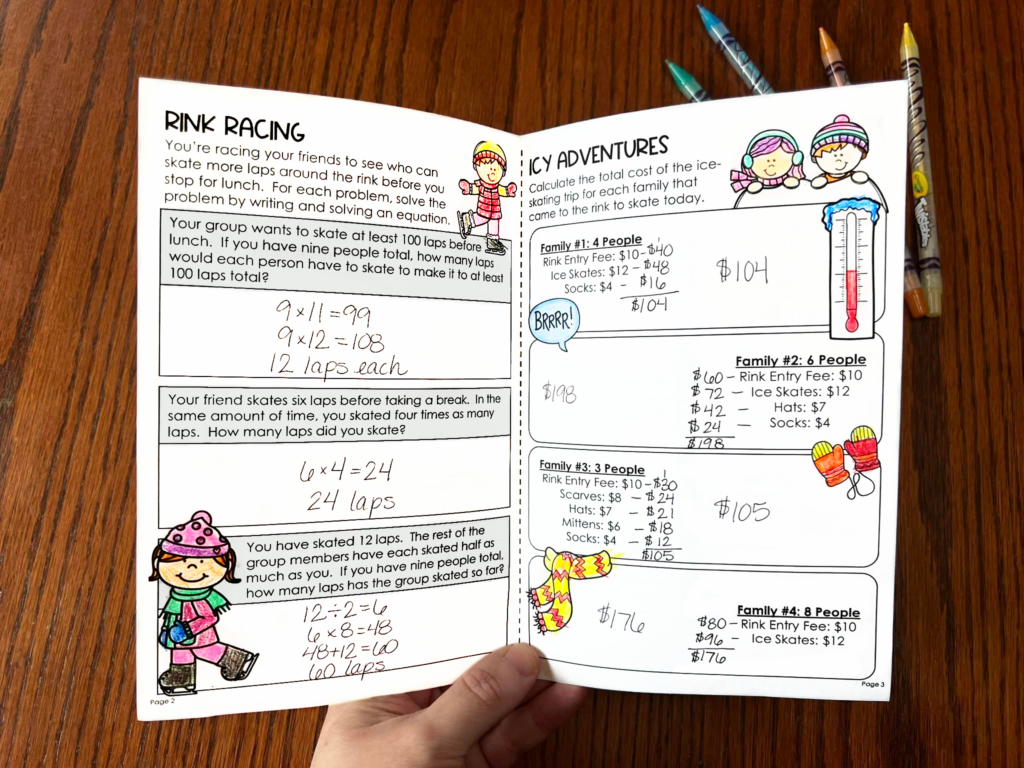
Each booklet uses relatable, real-world themes to give students a reason to use the math they have learned.
Here are five ways you can use them in your classroom.
1. Add Math Project Booklets to Your Math Centers
Math centers work best when students understand the routine and can complete their work without constantly interrupting your small group.
That is why consistency matters.
When students become familiar with the booklet format, they no longer need lengthy directions each time they begin a new activity. The theme and questions may change, but the overall routine feels familiar.
Before asking students to work independently, I recommend completing part of the first booklet together.
Show students how to:
- Read each set of directions
- Organize their work
- Use the available math tools
- Move through the booklet
- Check their answers
- Continue working when you are helping another group
Once the routine is established, the booklets can become a meaningful independent math center that students know how to manage.
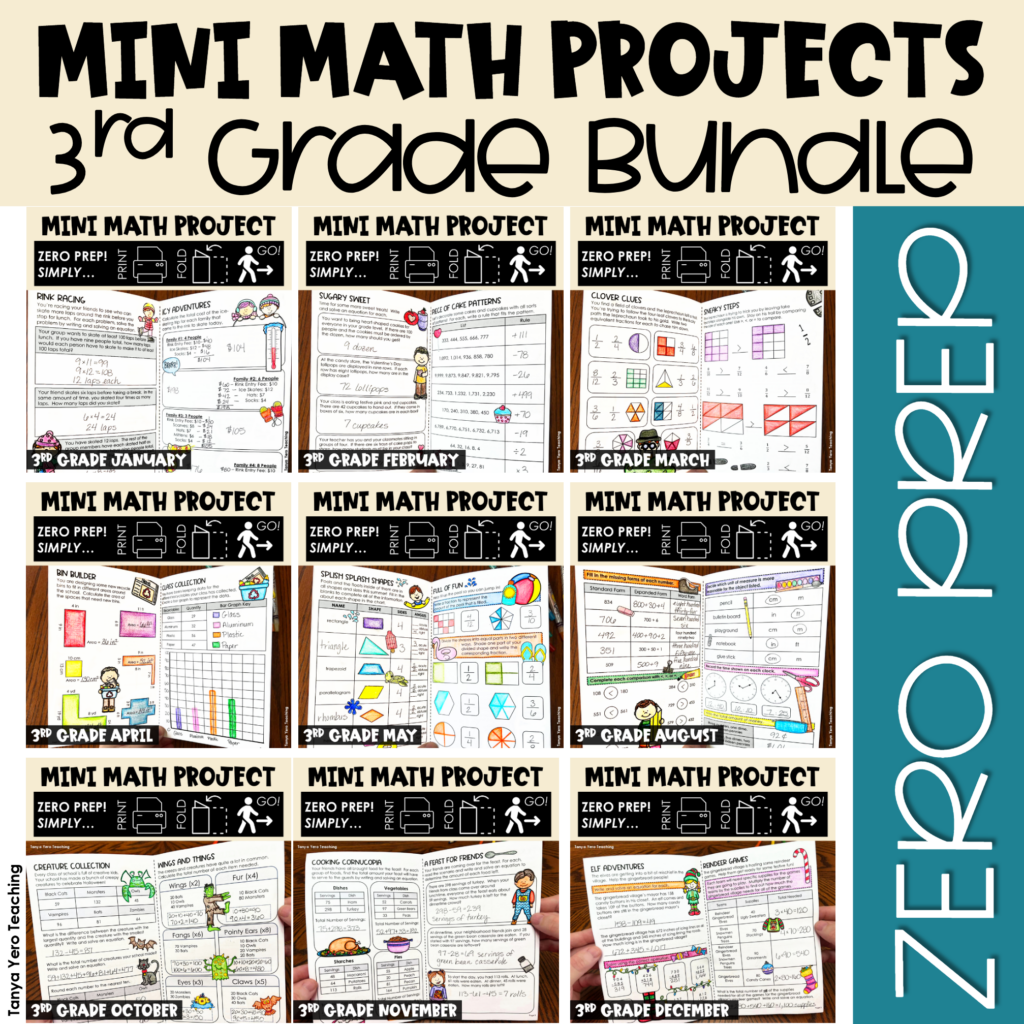
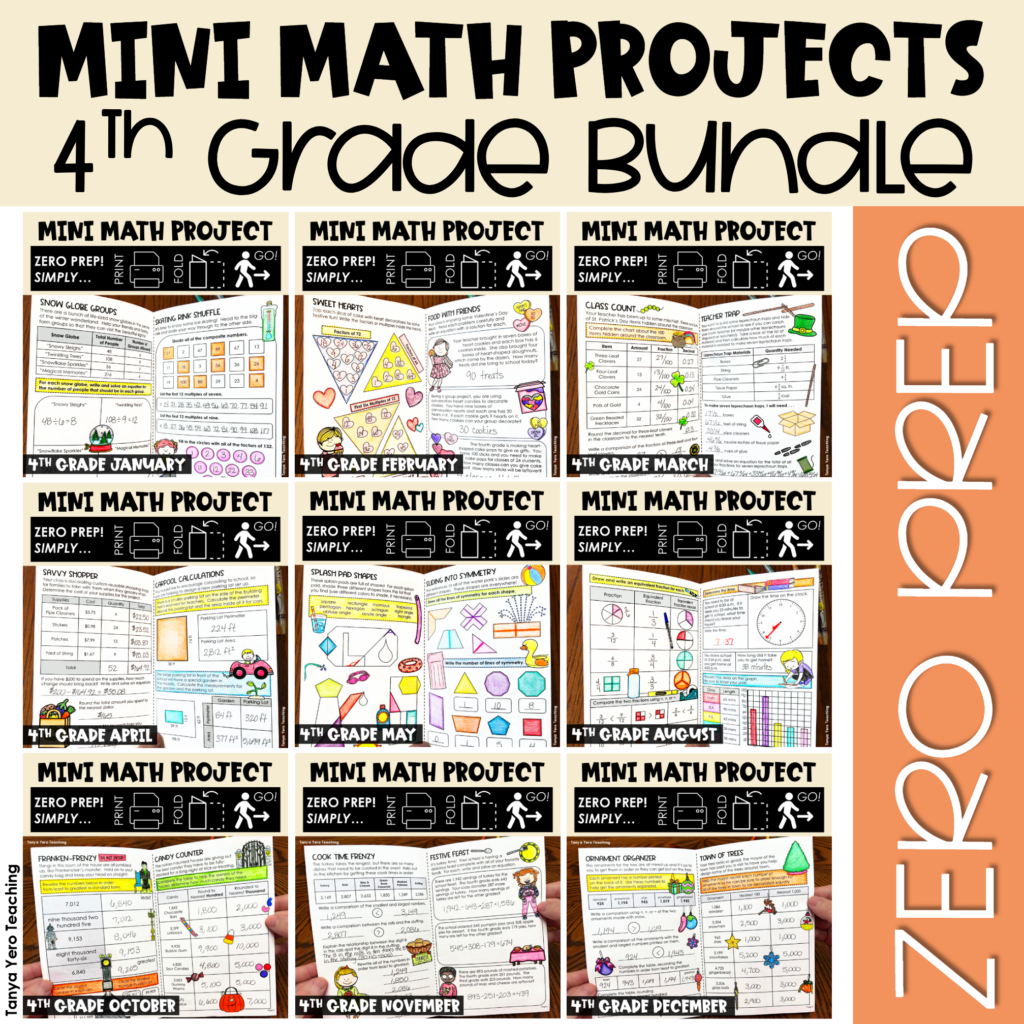
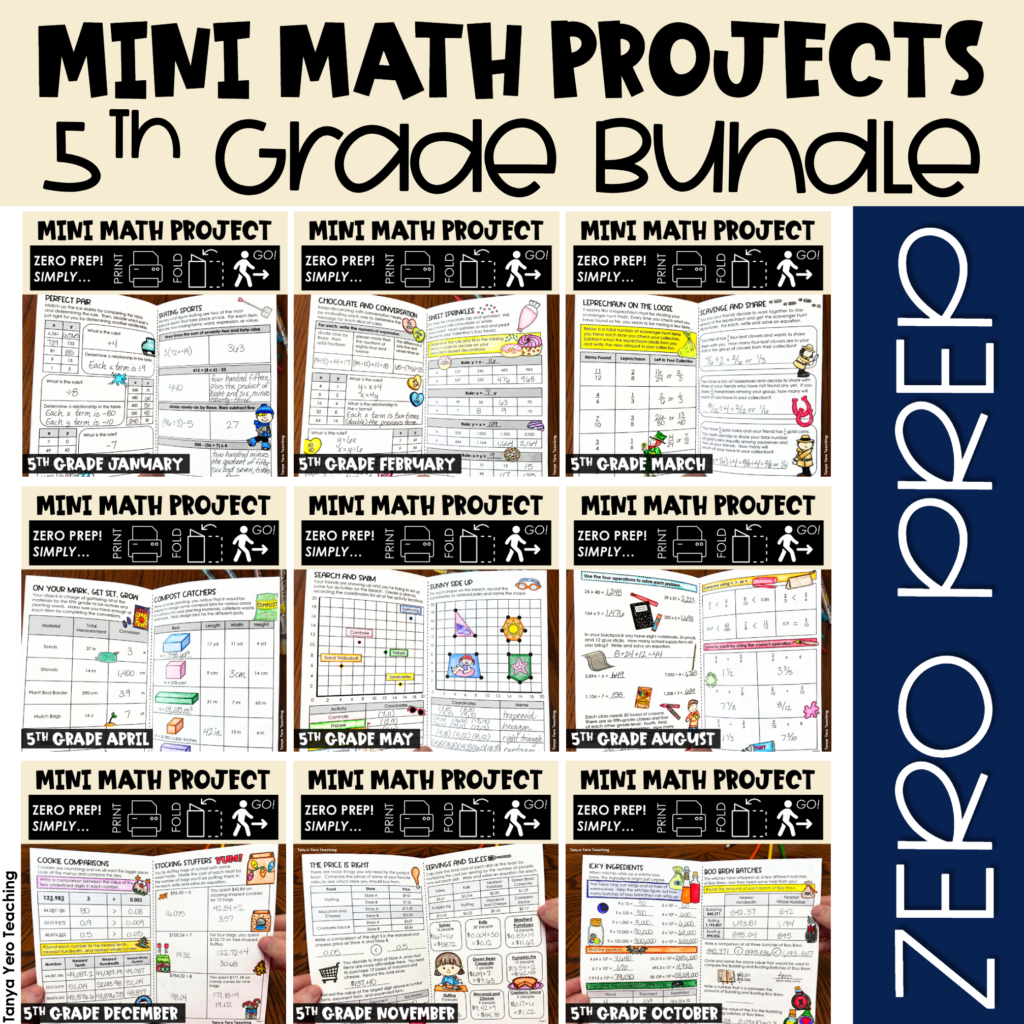
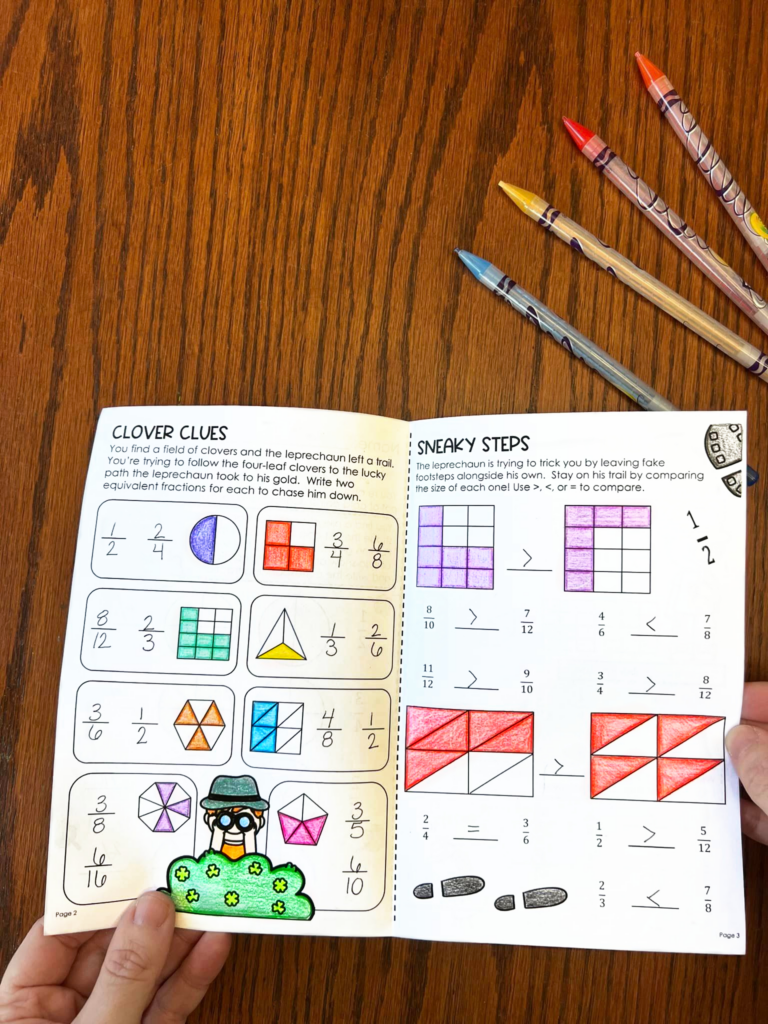
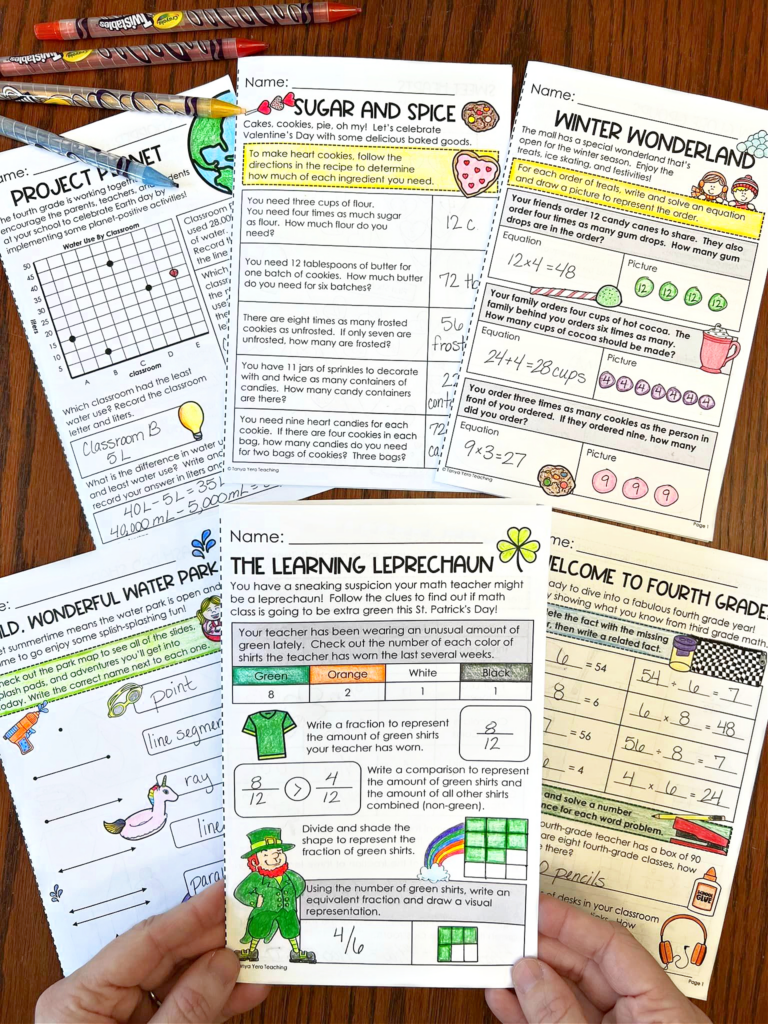
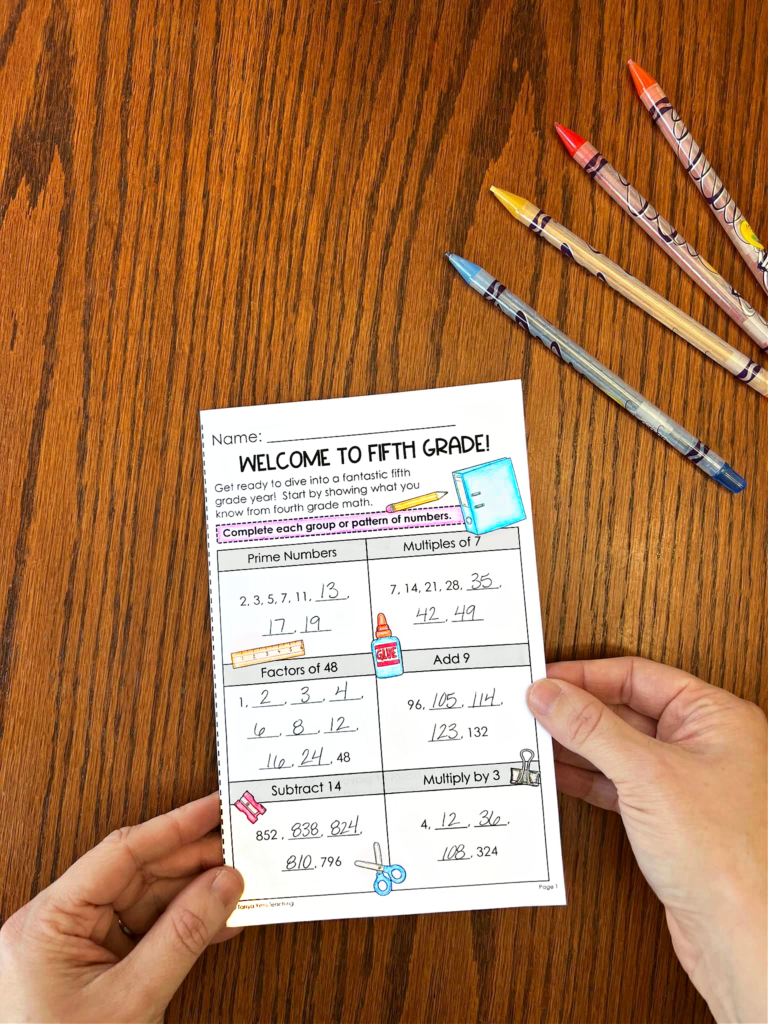
My Yearlong Mini Math Project Booklets work especially well for centers because they provide themed spiral review in a consistent format. The current collection includes grade-level bundles for third, fourth, and fifth grade that are designed for math review, centers, and test preparation.
2. Use Domain Math Booklets for End-of-Unit Review
Have you ever finished a math unit and thought, “I need an activity that reviews everything we just learned, but I do not want to hand out another giant review packet”?
This is exactly where a Domain Math Project Booklet can help.
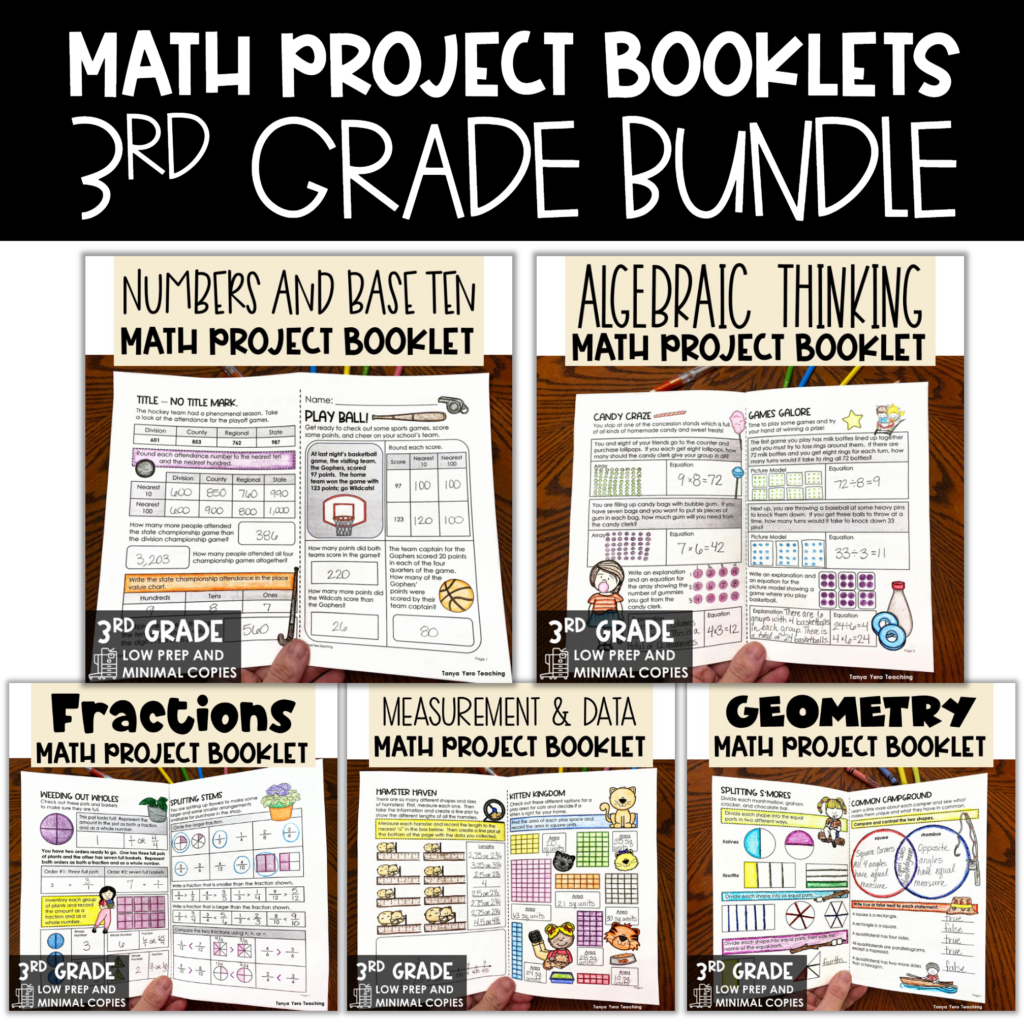
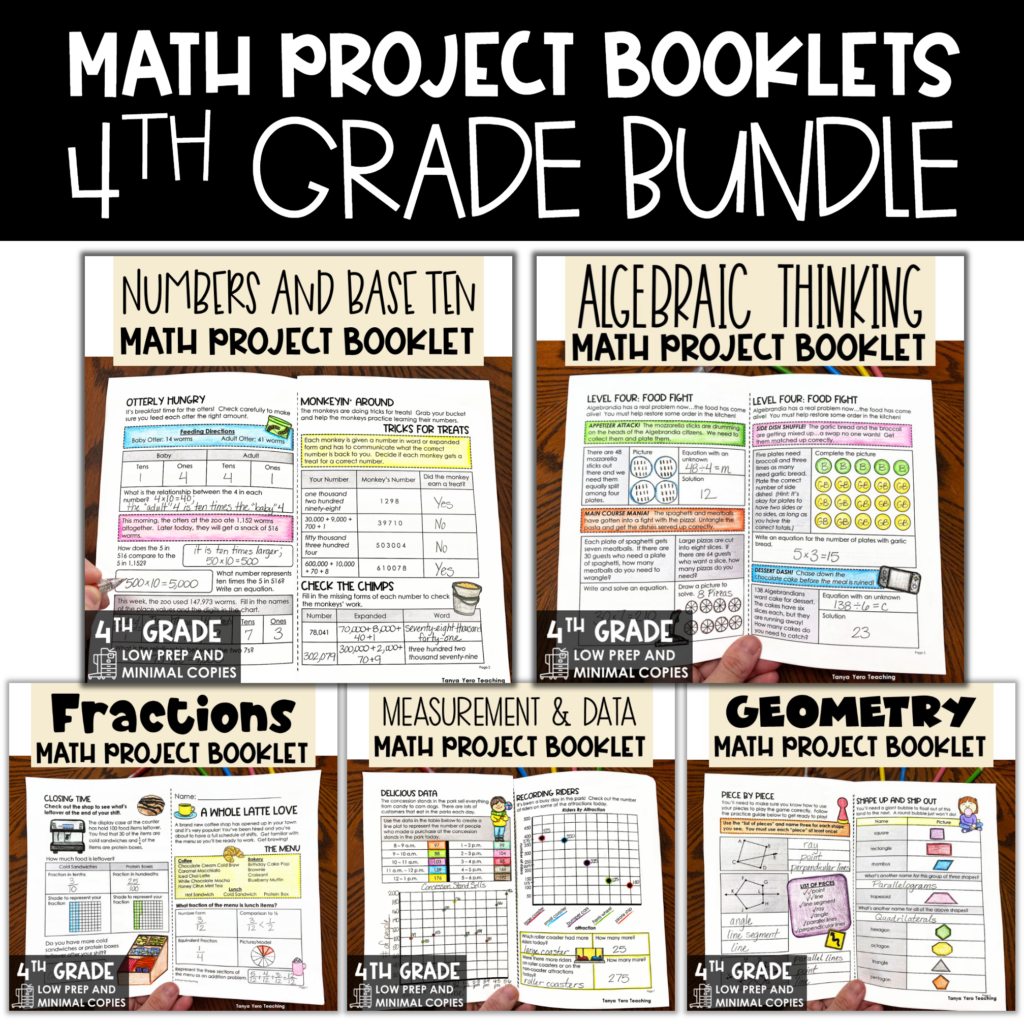
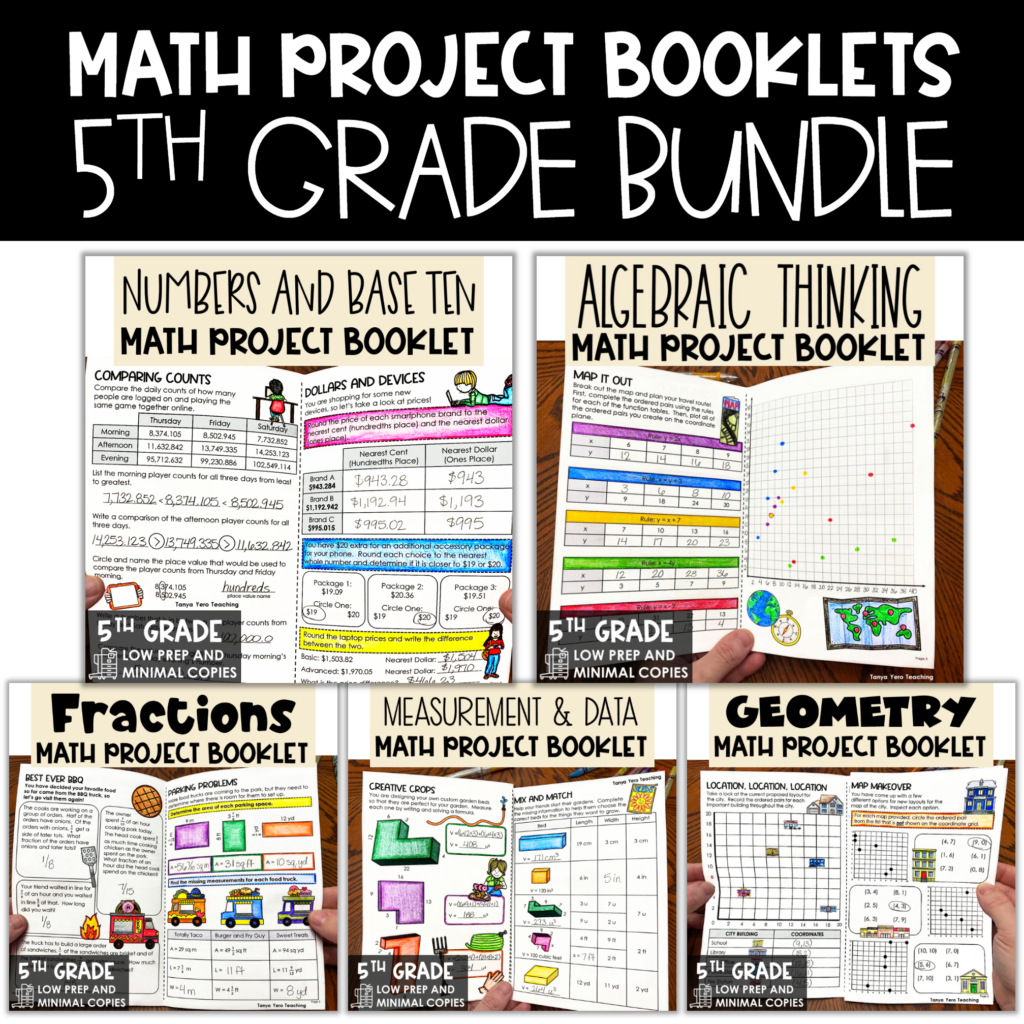
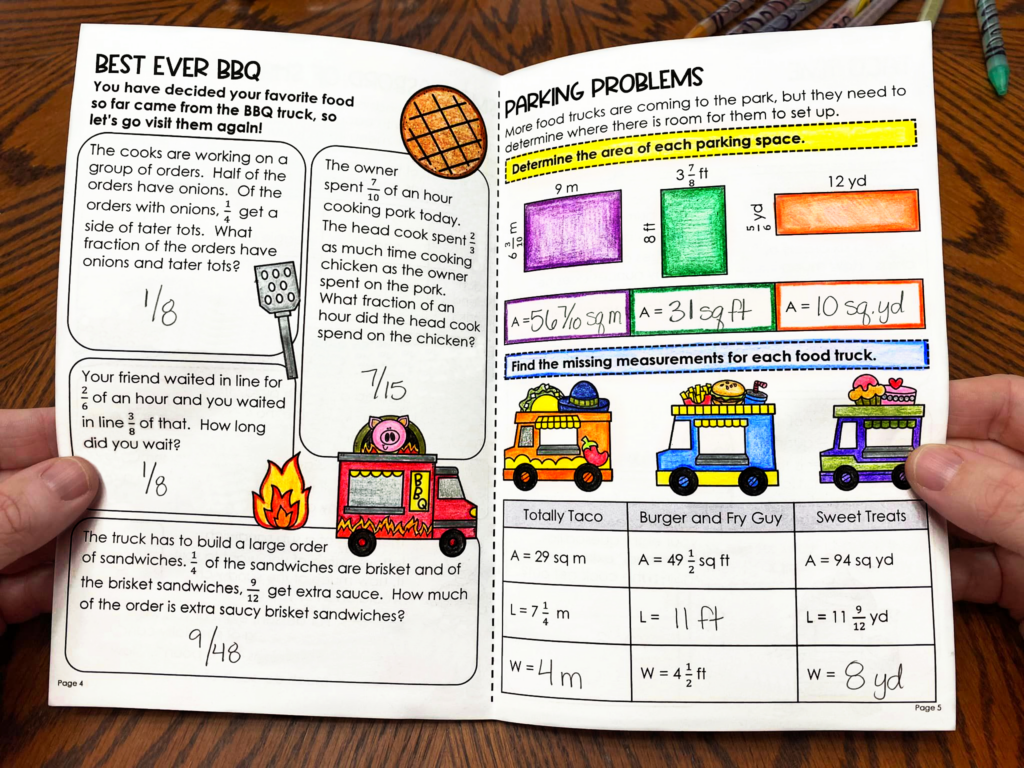
Domain booklets are larger than the themed mini booklets because they review a range of connected standards from one math domain.
Instead of practicing one skill in isolation, students work through questions that help them connect and apply several concepts from the unit.
You can use a domain booklet:
- At the end of a unit
- Before a unit assessment
- During math centers
- As partner practice
- For targeted test preparation
- As an emergency sub activity
- To identify concepts that need additional review
The booklets use engaging themes and real-world situations, but the math remains the focus.
They are also designed to be low prep and low copy. Students fold the printed pages into a booklet, with no cutting, gluing, or additional materials required.
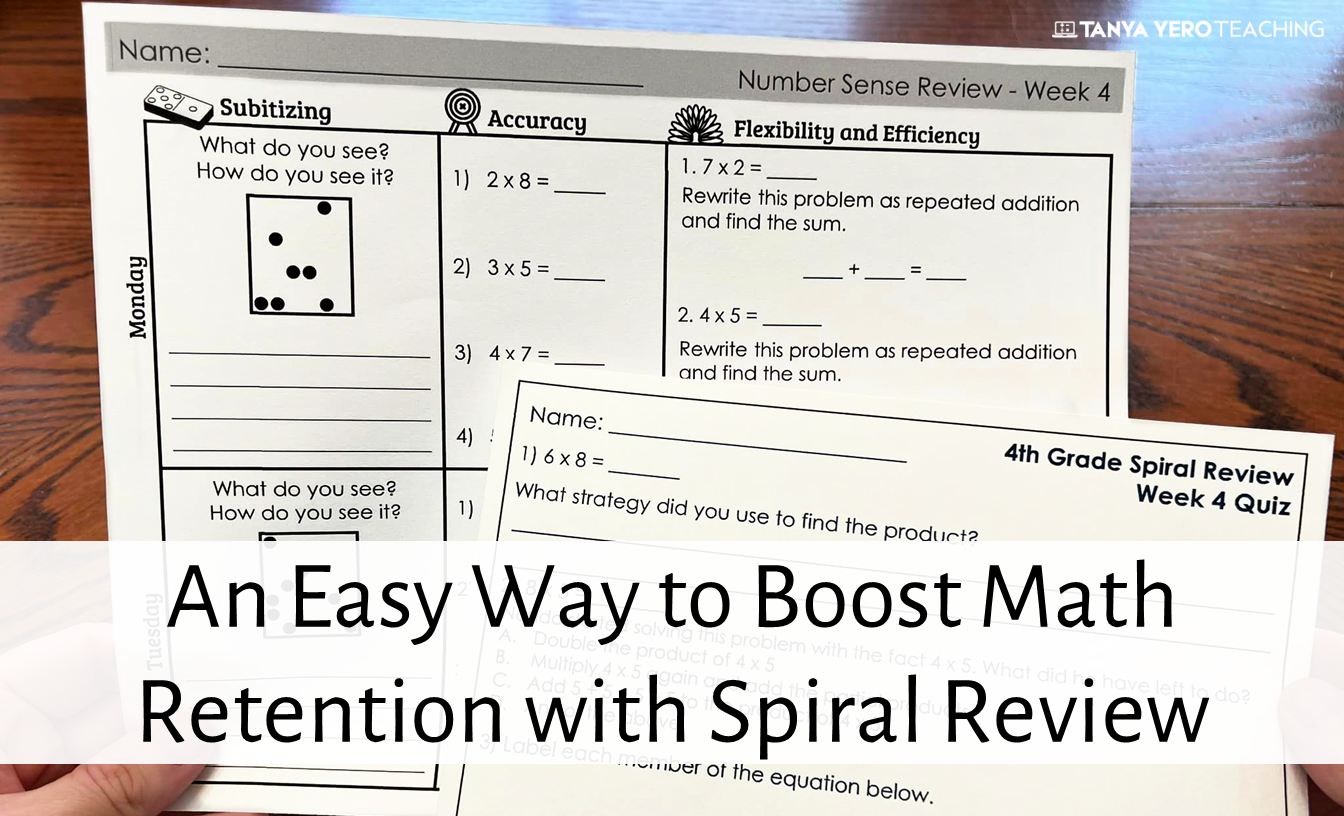
3. Build Spiral Review Into the Entire School Year
Spiral review should not begin a few weeks before state testing.
Students need opportunities to revisit previously taught skills throughout the year.
But spiral review does not have to mean completing the same daily worksheet over and over again.
A themed math project gives students a fresh context for using skills they have already learned. The real-world theme creates interest, while the mixed questions encourage students to think about which strategies they need.
You can use a mini math booklet:
- During a weekly math center
- At the end of the month
- After completing a unit
- During independent work time
- Before a school break
- As a cumulative review activity
- During test preparation later in the year
The goal is not to complete every booklet in one sitting.
Students can work on a booklet across several center rotations or independent practice periods. This prevents rushing and makes the activity easier to fit into your existing math block.
My Yearlong Mini Math Project Booklets include themed projects that help students revisit previously taught skills in a fresh way. The themes change, but the booklet format remains consistent.
Think themed booklets for spiral review and domain booklets for focused unit review.
4. Create a Meaningful Early-Finisher Routine
Early-finisher work can be another tricky area.
You do not want students who work efficiently to feel like they are being rewarded with a second giant worksheet.
At the same time, completely unstructured free time can become difficult to manage.
A math project booklet gives students something meaningful they can return to whenever they finish an assignment early.
Instead of giving students a different filler activity each day, keep their current booklet in a folder or designated classroom space.
When students finish their assigned work, they know exactly what to do next.
This creates continuity and reduces the number of new activities you need to prepare.
It also keeps early-finisher work connected to your math goals.
A Simple Early-Finisher Routine
Teach students to follow the same steps each time:
- Check that the assigned work is complete.
- Review the work for mistakes.
- Take out the current math project booklet.
- Complete the next unfinished section.
- Return the booklet to its designated location.
That is it.
The simpler the routine is, the more likely students are to follow it independently.
5. Make Math Test Prep Feel Less Overwhelming
Test preparation does not have to mean handing students a thick packet and announcing that they need to remember everything they learned this year.
That feels overwhelming for students and teachers.
Instead, break review into manageable pieces.
Use Domain Booklets for Targeted Review
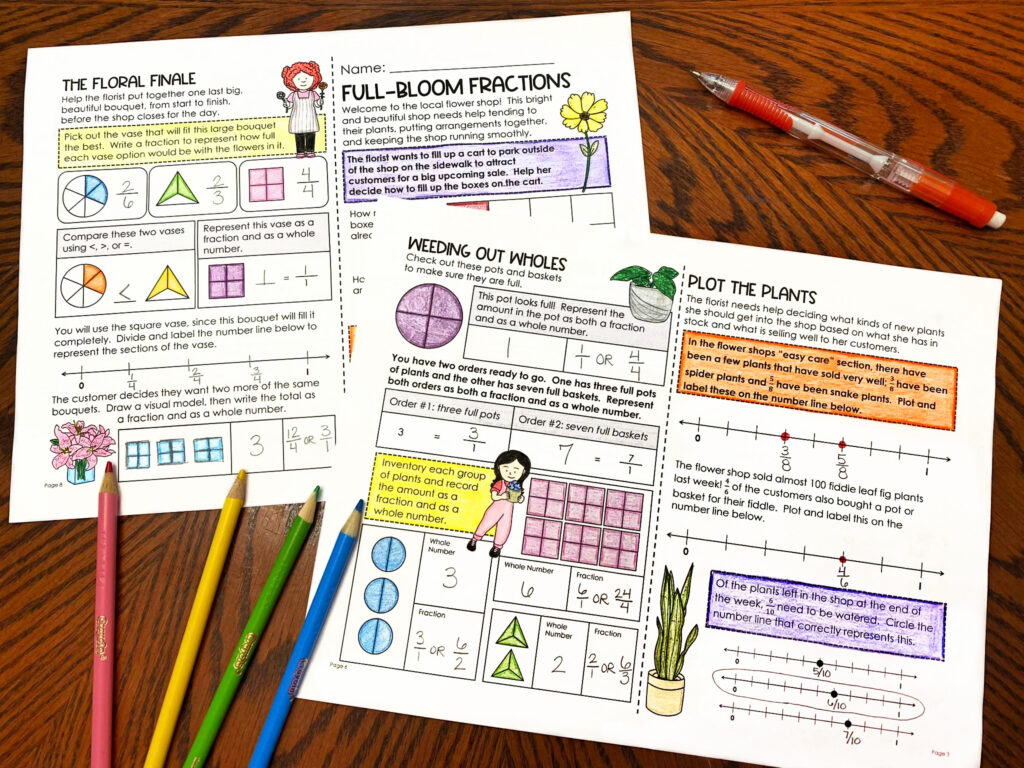
If your students need additional support in one area, choose a domain booklet that matches that skill.
For example, you may use a fractions booklet after noticing that students are struggling with fraction concepts.
This helps you target the review instead of giving students random questions from every standard.
Use Mini Math Booklets for Mixed Review
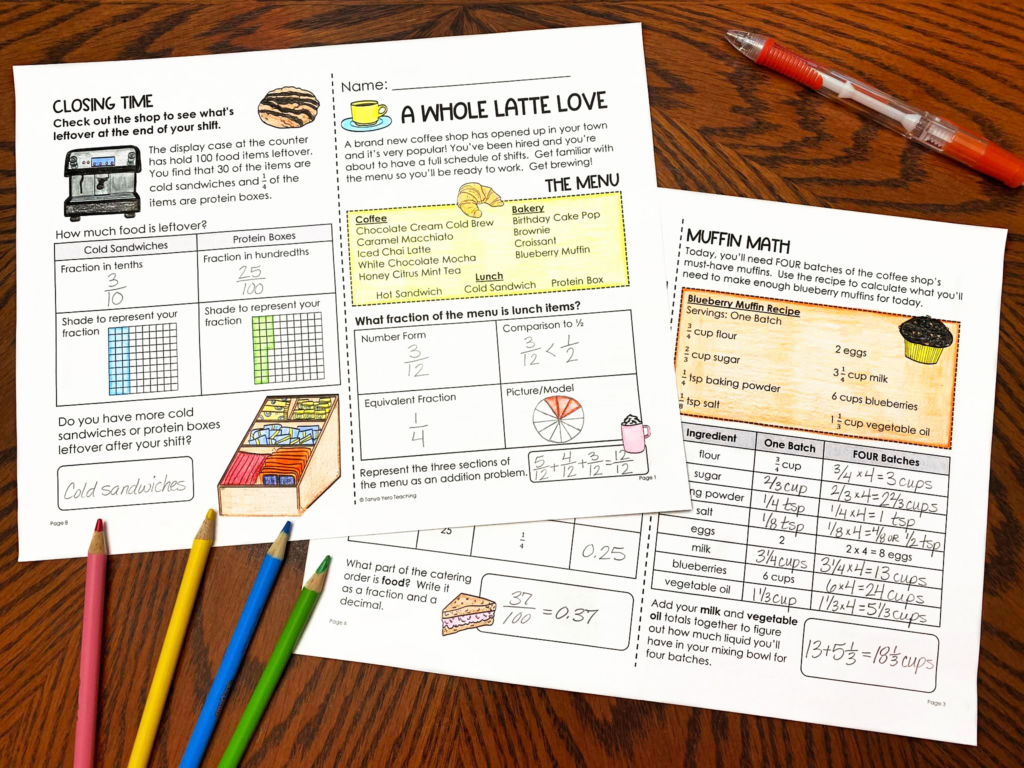
If students are ready to revisit skills from across the year, use the themed mini booklets for spiral review.
The mixed format requires students to think about what each problem is asking and choose an appropriate strategy.
You can also use completed booklets to guide your small groups.
As you review student work, look for:
- Common misconceptions
- Skills students have forgotten
- Students who need additional support
- Concepts that need to be modeled again
- Students who are ready for a challenge
Independent practice should give students valuable review, but it should also give you useful information.
Which Math Project Booklet Should I Use?
Both types of booklets provide meaningful independent math practice, but they serve slightly different purposes.
Choose the Yearlong Mini Math Project Booklets When You Need:
- Ongoing spiral review
- Mixed practice throughout the year
- Themed math centers
- Early-finisher activities
- Independent math practice
- Cumulative test preparation
- A familiar monthly review routine
I use the mini math project booklets when I want students to revisit previously taught skills in a fresh way.
The engaging themes change, but the consistent booklet format helps students work more independently.
Choose the Domain Math Project Booklets When You Need:
- End-of-unit review
- Practice across connected standards
- Targeted review in one math domain
- Focused test preparation
- Partner practice
- Additional independent practice
- Meaningful emergency sub plans
I use the domain booklets when I want students to go deeper into one area of math.
They are larger because they review multiple standards from the same domain and include more questions than the themed mini booklets.
SHOP YEARLONG MINI MATH PROJECT BOOKLETS
SHOP DOMAIN MATH PROJECT BOOKLETS
How to Set Students Up for Independent Success
Even the best independent math activity will not run smoothly if students have not been taught how to use it.
Here are a few ways to build independence before adding a new resource to your centers or review routine.
Model the First Booklet
Do not simply hand out the first booklet and hope students figure it out.
Complete a few questions together.
Show students how you read the directions, identify important information, select a strategy, and check your answer.
The time you spend modeling at the beginning will save you from answering the same procedural questions later.
Keep the Routine Predictable
Use the booklets in the same center, classroom location, or portion of your math block whenever possible.
Students are more independent when they know:
- Where to find their booklet
- Which materials they may use
- How much they should complete
- Where to place unfinished work
- What to do if they need help
Allow Students to Work in Smaller Sections
A booklet does not always need to be completed during one class period.
Let students work through it across several independent work sessions.
This encourages them to slow down, show their thinking, and focus on accuracy instead of rushing to finish.
Add a Quick Accountability Step
Accountability does not have to mean grading every problem.
Ask students to:
- Circle one problem that felt challenging
- Star one problem they feel confident about
- Explain one strategy to a partner
- Write down one question they still have
- Turn in one selected section for review
These simple steps give you insight into student thinking without creating a huge stack of grading.
Use the Work to Plan Your Next Step
Do not let completed booklets disappear into a finished-work bin.
Take a quick look at student responses and ask:
- Which skills are secure?
- Which misconceptions keep appearing?
- Who needs a small-group follow-up?
- Which concept should come back during spiral review?
The purpose of independent practice is not simply to keep students occupied.
The purpose is to move learning forward.
Meaningful Math Practice Does Not Have to Create More Work
Teachers do not need another complicated system to manage.
We need resources that are easy to prepare, easy for students to understand, and useful in more than one part of the school year.
That is why I love the booklet format.
My Math Project Booklets can be used for:
- Independent math practice
- Math centers
- Spiral review
- End-of-unit review
- Early finishers
- Partner work
- Test preparation
- Emergency sub plans
They provide high-quality math review without requiring excessive printing or piles of extra materials. They are designed to be printed, folded, and used, so you can spend less time preparing and more time supporting your students.
Frequently Asked Questions About Independent Math Practice
What Is Independent Math Practice?
Independent math practice gives students an opportunity to apply previously taught skills without direct, step-by-step teacher guidance.
Students should understand the skill and the activity routine before they are expected to work completely independently.
What Is a Math Project Booklet?
A math project booklet combines multiple math questions within an engaging theme or real-world context.
Instead of completing a traditional review worksheet, students work through a booklet that asks them to apply math skills in meaningful situations.
Can Math Project Booklets Be Used in Math Centers?
Yes! The consistent booklet format makes them a strong choice for independent math centers.
Model the format first, establish clear expectations, and make familiar math tools available to students.
What Is the Difference Between Mini and Domain Math Booklets?
The Mini Math Project Booklets are themed resources designed for mixed and spiral review.
The Domain Math Project Booklets are larger resources that review several connected standards within one math domain.
Can Students Complete a Booklet Over Several Days?
Absolutely.
Breaking a booklet into smaller sections can prevent students from rushing and makes it easier to fit the activity into centers, early-finisher time, or short independent work periods.
Start With One Independent Math Routine
You do not need to completely change your math block to improve independent practice.
Start with one routine.
Choose one time during your week when students can revisit previously taught skills. Model the expectations, introduce the booklet format, and allow students time to become comfortable with the process.
Do your students need ongoing spiral review throughout the year?
Start with the Yearlong Mini Math Project Booklets.
Do they need focused practice across one complete unit or math domain?
Choose a Domain Math Project Booklet.
The right independent math practice can help students strengthen important skills, make connections, and become more confident working on their own.
And it can do all of that without adding hours of preparation to your week.