It took me some time to realize there was something missing from my math block.
I was the product of lots of drill-and-kill practice and timed tests in my own school experience. I could follow steps. I could memorize. I could get through the assignment.
But deep problem-solving?
Flexible thinking?
Real conceptual understanding?
That came later.
And once I started teaching, I began to see the same thing with students.
Some students could memorize facts quickly. Some could not. Some could fly through a timed test but had no idea how to explain their thinking. Others understood the math, but froze the second a timer started.
That is when I started asking a bigger question:
Are we building fact fluency, or are we only training students to answer quickly?
Because those are not always the same thing.
Fact fluency matters. Of course it does. Students need to know their basic facts. But if we want facts to stick, we have to build them on something stronger than memorization alone.
We need number sense.
We need visuals.
We need strategies.
We need math conversations.
We need repeated practice that actually helps students understand what numbers are doing.
So let’s talk about three common myths about fact fluency, and what to do instead.
Myth #1: Math Is Mostly About Memorizing Basic Facts
Let’s start with the big one.
Students absolutely need to know their math facts. I will never argue against that.
But memorizing facts is not the same thing as mastering facts.
There is a difference.
Memorization says, “I know the answer.”
Mastery says, “I know the answer, I understand why it works, and I can use what I know in other problems.”
That is the goal.
When students only memorize facts in isolation, they may struggle when numbers appear in a different format. They may forget facts quickly. They may not know what to do when they get stuck.
But when students learn facts through strategies, models, and visuals, they begin to see relationships between numbers.
They notice that 6 x 8 is connected to 5 x 8.
They see that 9 + 6 can be solved by making a ten.
They understand division as equal groups, not just a symbol on a page.
That is where real fluency starts.
What to Do Instead: Help Students Build Mental Images
Students need to see math before they are expected to manipulate it mentally.
Most often, students are presented facts in symbolic form only.
5 + 3
8 x 7
24 ÷ 6
But symbols mean very little if students cannot picture the quantity behind them.
That is why visuals matter so much.
Students need practice with:
- Subitizing images
- Ten frames
- Arrays
- Equal groups
- Number bonds
- Bar models
- Multiples
- Word problems
- Fact strategies
These models help students form mental images of numbers and operations.
And once students can picture the math, they are much more likely to remember it.
For multiplication practice that goes beyond symbolic facts, add visual fluency booklets to your small group, math center, or independent practice routine.
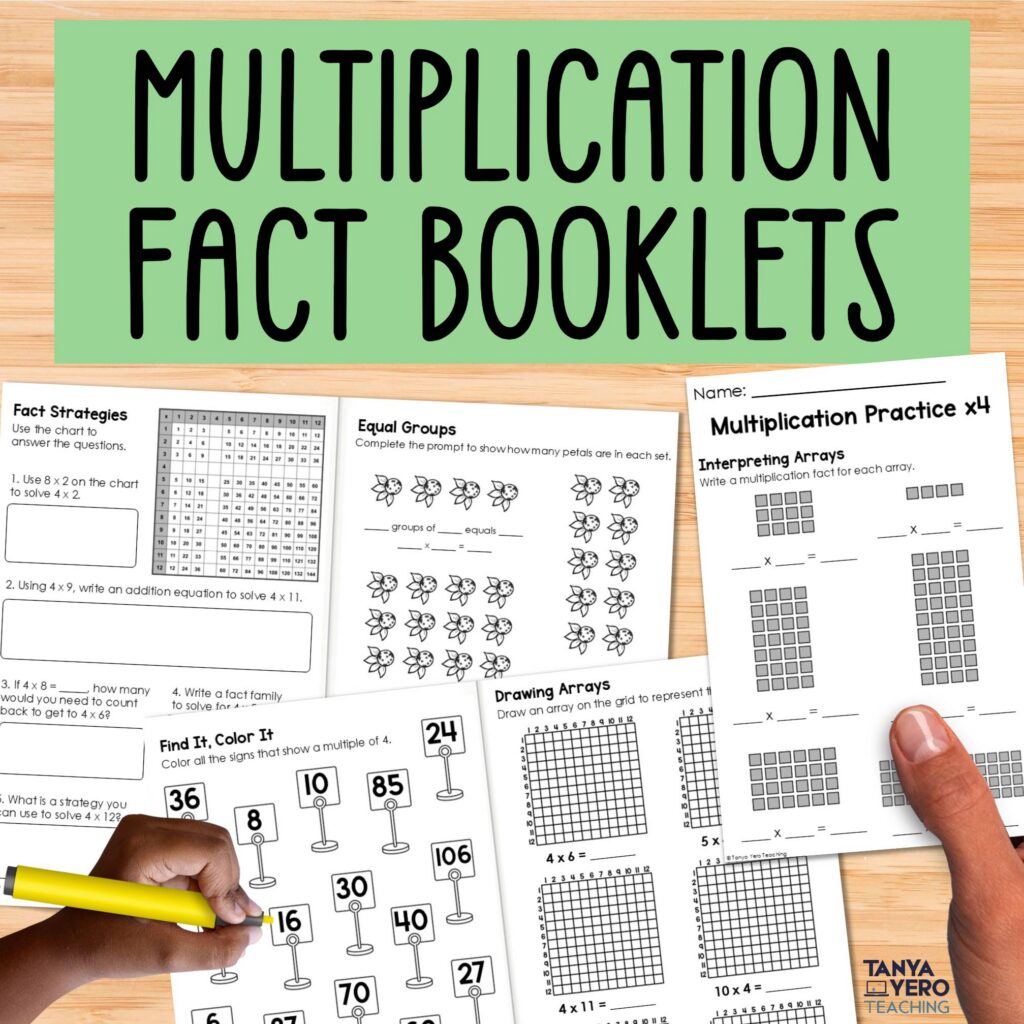
Multiplication booklets include 16 ready-to-print 8-page booklets, with one booklet for each fact group from x1 to x12 and five mixed fact booklets. The activities include arrays, subitizing images on ten frames, multiples, fact strategies, number bonds, word problems, and equal groups.
Myth #2: Timed Tests Are the Best Way to Assess Fact Fluency
Timed tests are efficient.
I understand why they are used.
They are easy to give.
They are easy to grade.
They give you quick data.
But quick data is not always complete data.
Timed tests usually measure one part of fluency: speed.
And speed alone does not tell the full story.
A student can answer quickly without understanding the math. Another student can understand the math deeply but perform poorly when a timer creates pressure.
That is why we need to be careful.
Fast math is not always strong math.
Strong math includes:
- Accuracy
- Efficiency
- Flexibility
- Strategy use
- Conceptual understanding
- The ability to explain thinking
If we only measure speed, we may miss the most important parts of fluency.
What to Do Instead: Listen to Student Thinking
One of the best ways to assess fact fluency is to listen.
Ask students how they solved. Ask what they noticed. Ask if they can solve the problem another way.
You can learn so much from a simple math conversation.
Try prompts like:
“How did you see it?”
“What strategy did you use?”
“What fact helped you solve this one?”
“Can you solve it another way?”
“How do you know your answer makes sense?”
“What do you notice about the numbers?”
These questions help students move beyond answer-getting.
They also give you better information as the teacher.
You can hear whether students are counting one-by-one, making tens, using doubles, decomposing numbers, applying place value, or using related facts.
That is powerful data.
Myth #3: Improving Fact Fluency Means You Have to Overhaul Your Entire Math Block
This myth keeps too many teachers stuck.
Because when something feels too big, it becomes easy to do nothing.
But building fact fluency does not require you to throw out everything you are already doing.
Small changes can make a big difference.
You can begin by adding:
- A 5-minute visual number sense routine
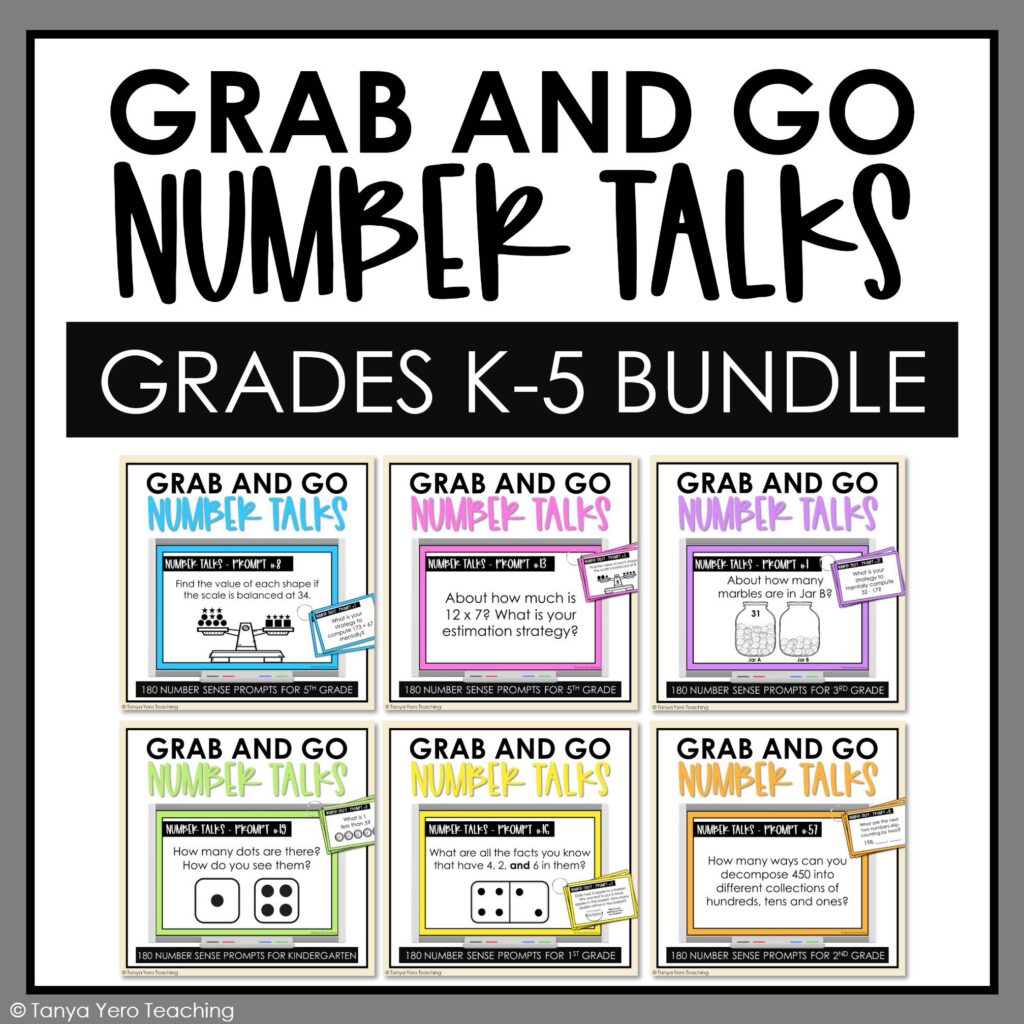
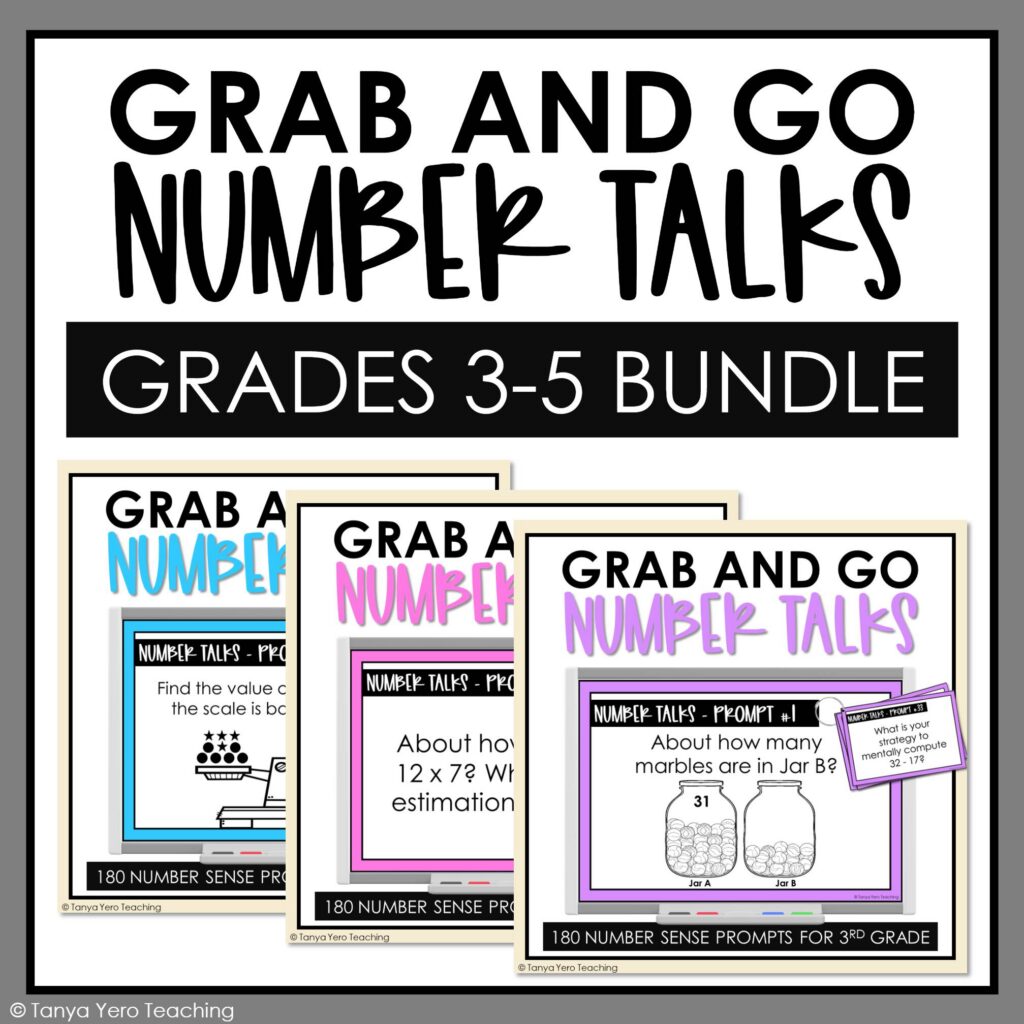
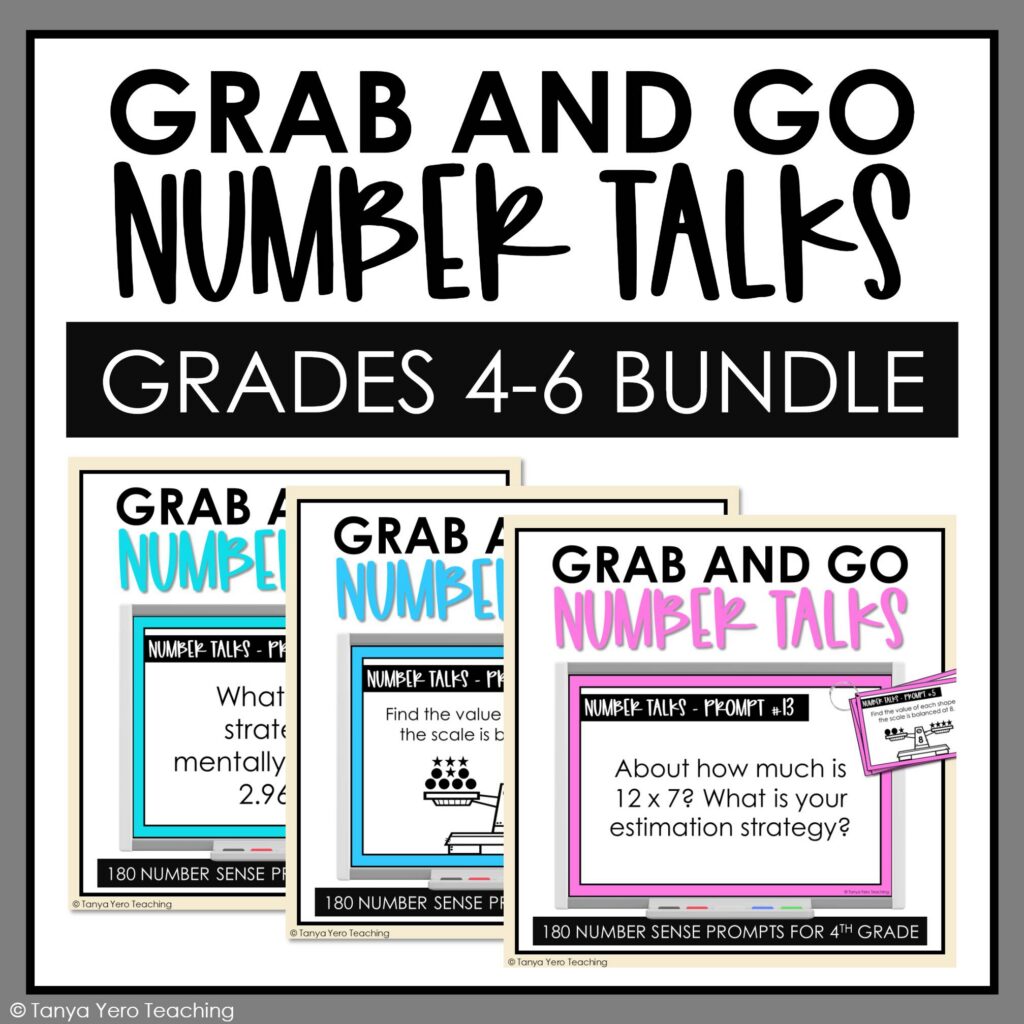
- One number talk a few times a week
- Visual flash cards during small group
- Fluency booklets during centers
- Subitizing practice beyond primary grades
- More questions that ask students to explain their thinking
- A strategy review routine once a week
That is manageable.
And manageable matters.
The goal is not to create a Pinterest-perfect math block. The goal is to give students consistent opportunities to see numbers, talk about numbers, and use numbers flexibly.
What to Do Instead: Build a Simple Weekly Fluency Routine
Here is a simple way to make fact fluency practice feel doable.
Monday: Start With a Visual Number Sense Routine
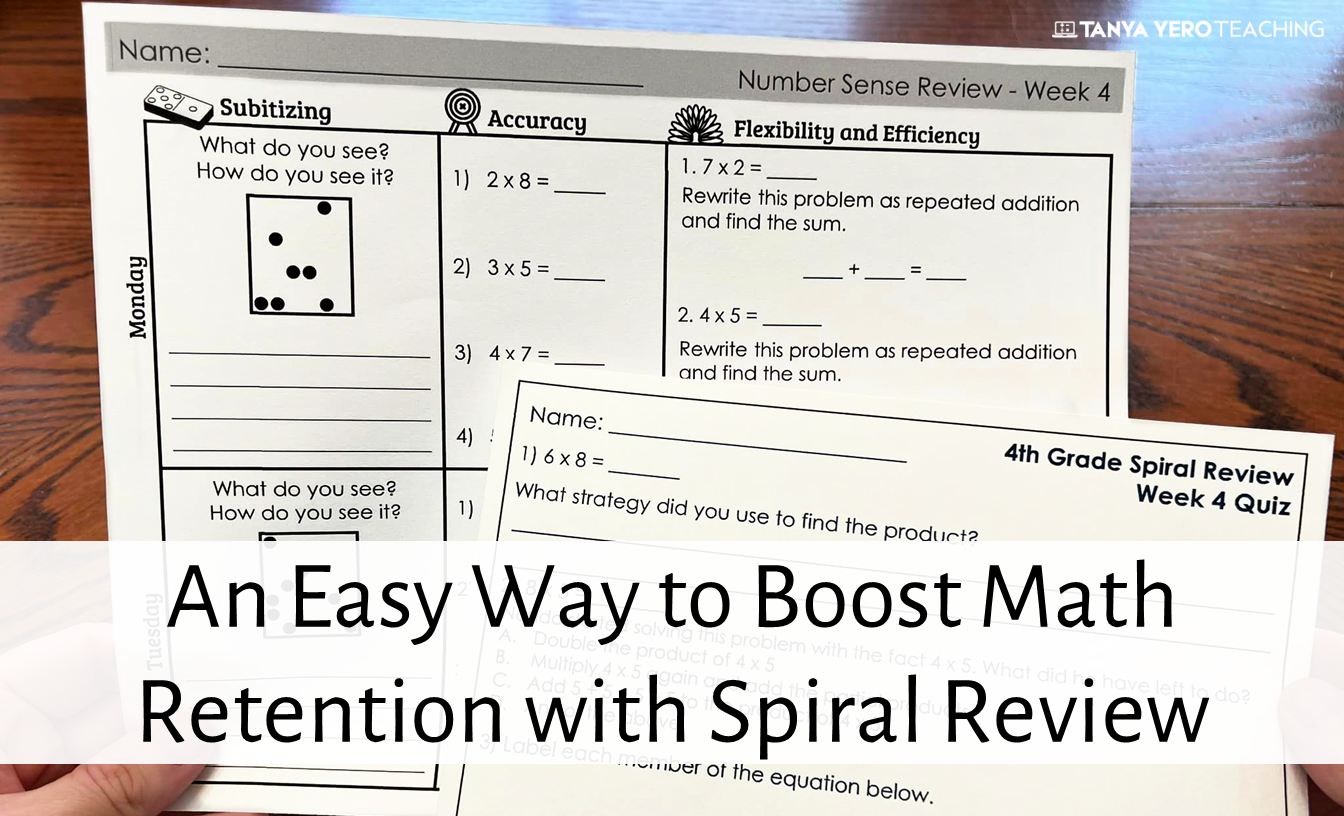
Show students a dot image, array, number bond, or ten frame.
Ask:
“What do you notice?”
“How do you see the number?”
“Can you see it another way?”
Subitizing is one of the most important foundational skills for building number sense, and it should continue well beyond the primary grades.
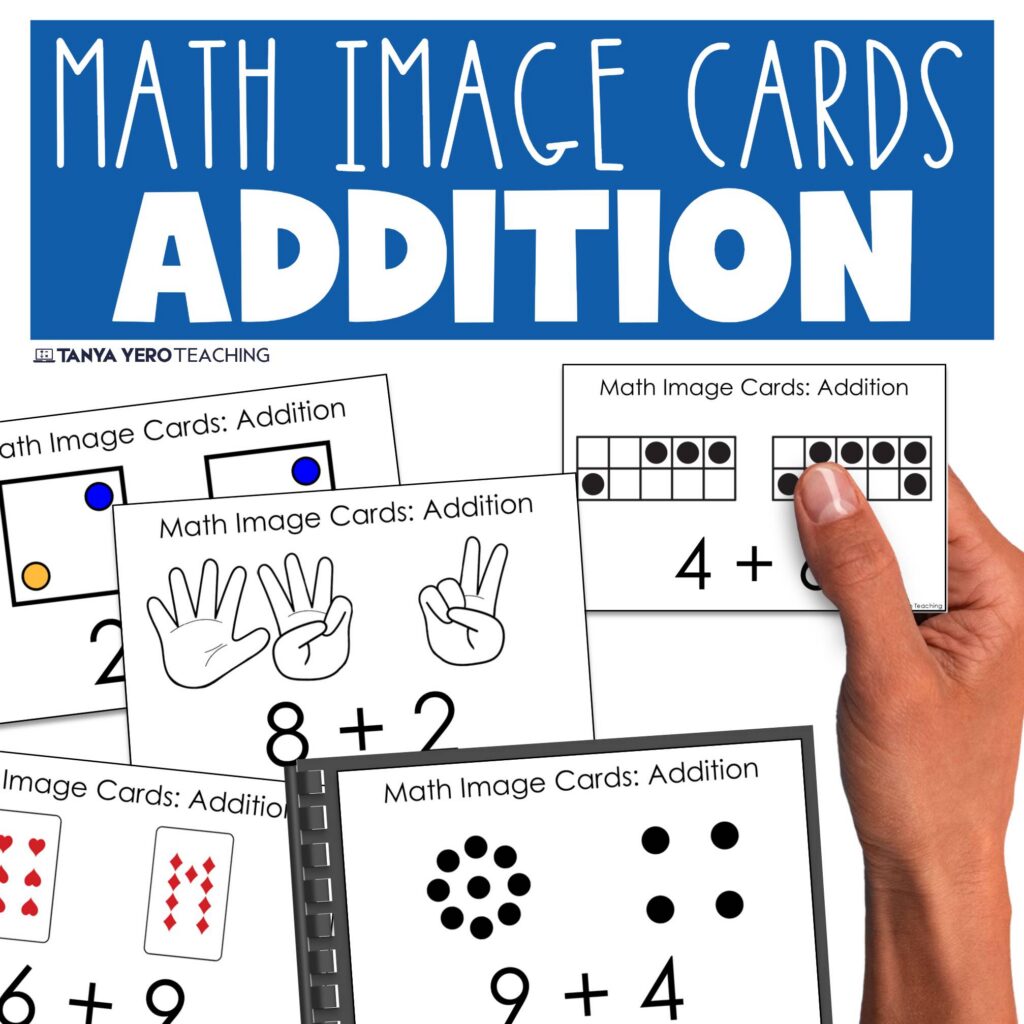
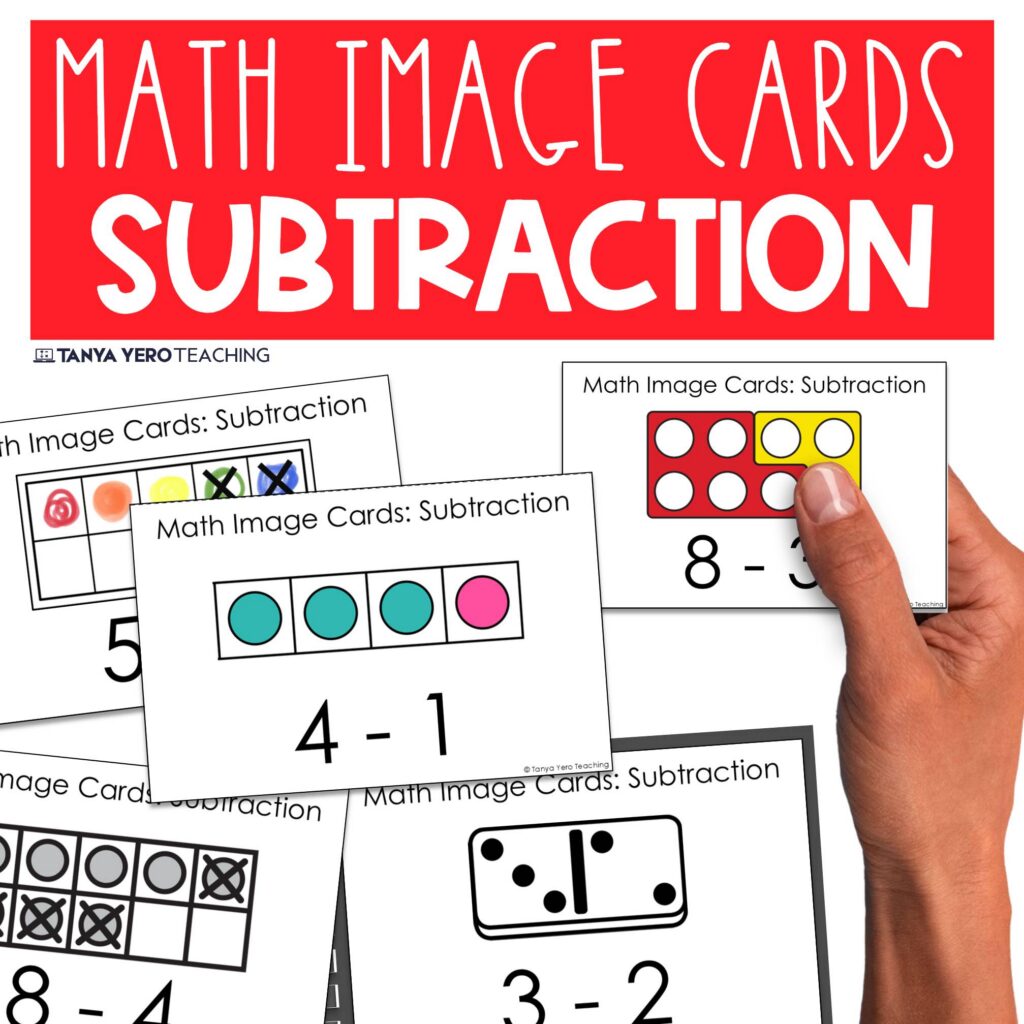
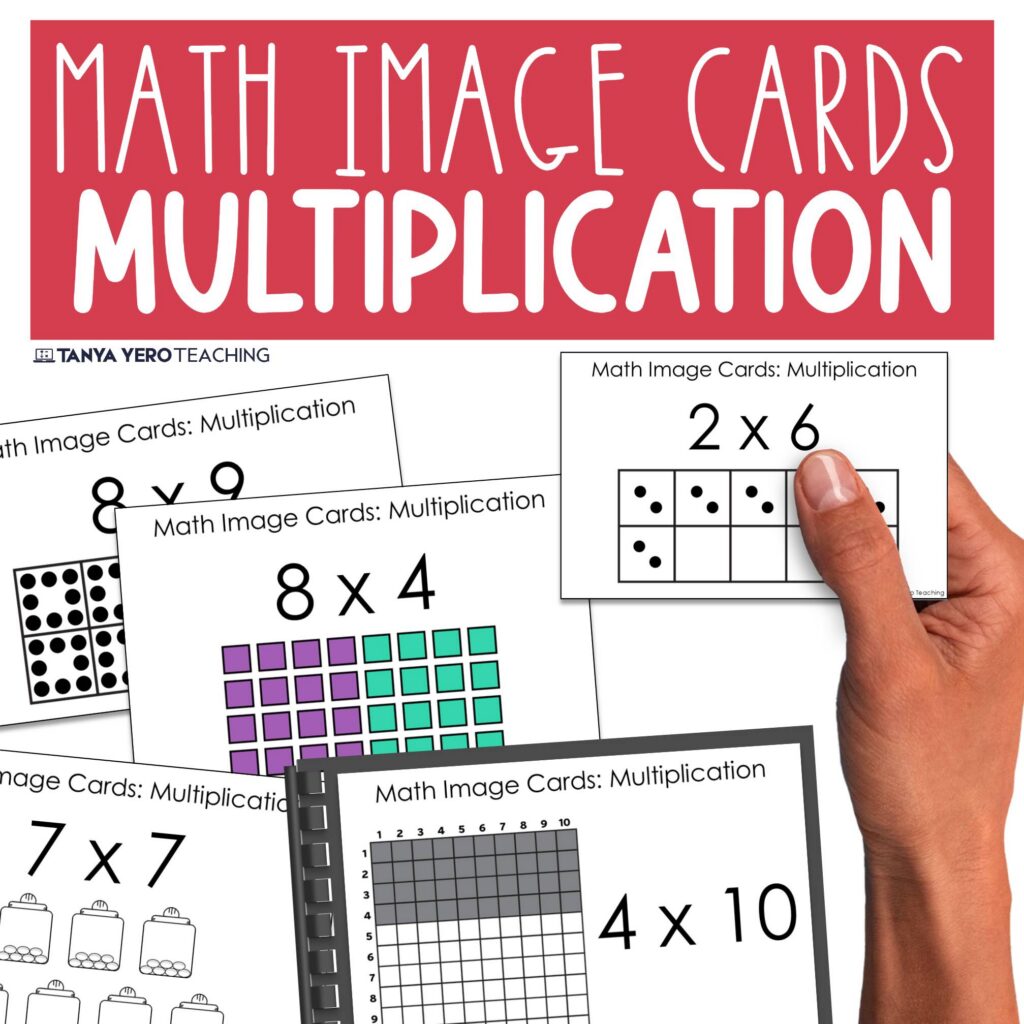
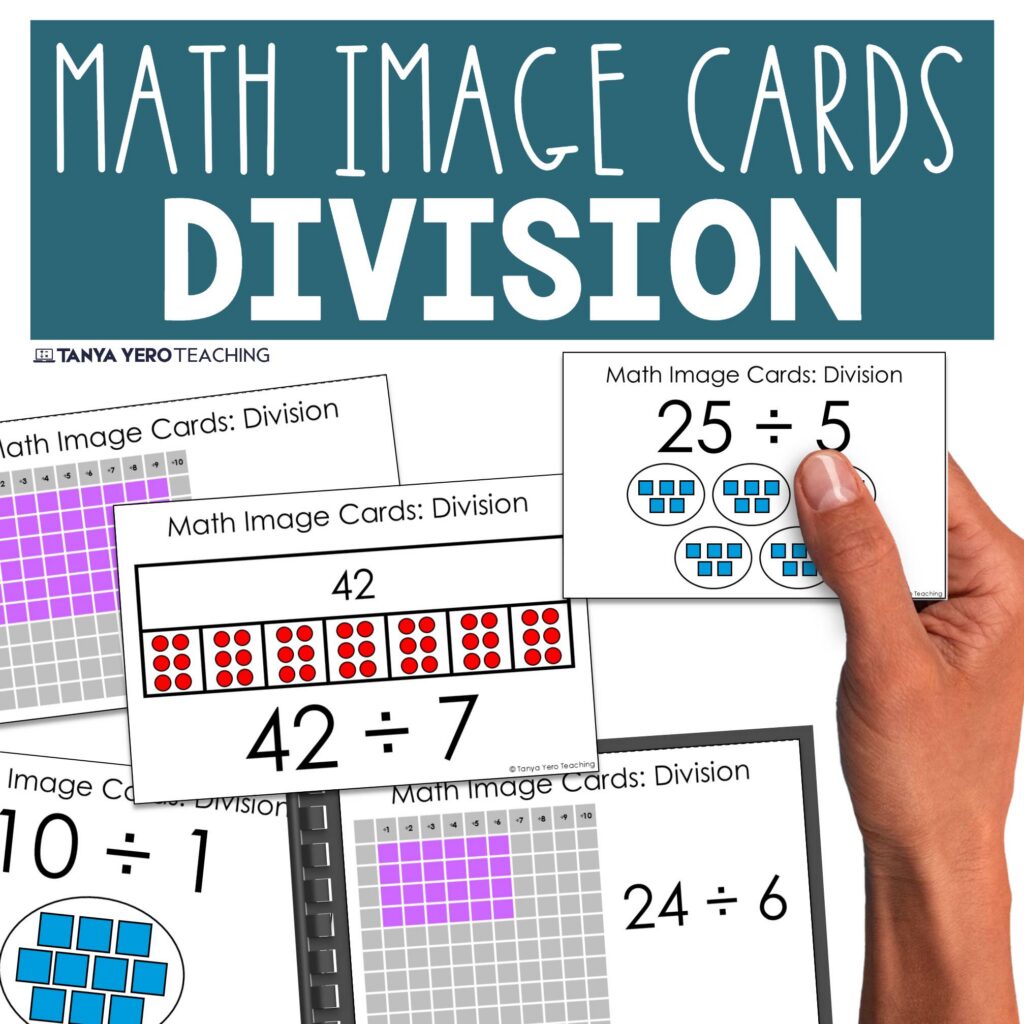
Tuesday: Use Visual Math Cards
Choose cards based on the operation your students need most.
You can use them whole group, in small groups, with partners, or as a quick warm-up.
Wednesday: Add Fluency Booklet Practice
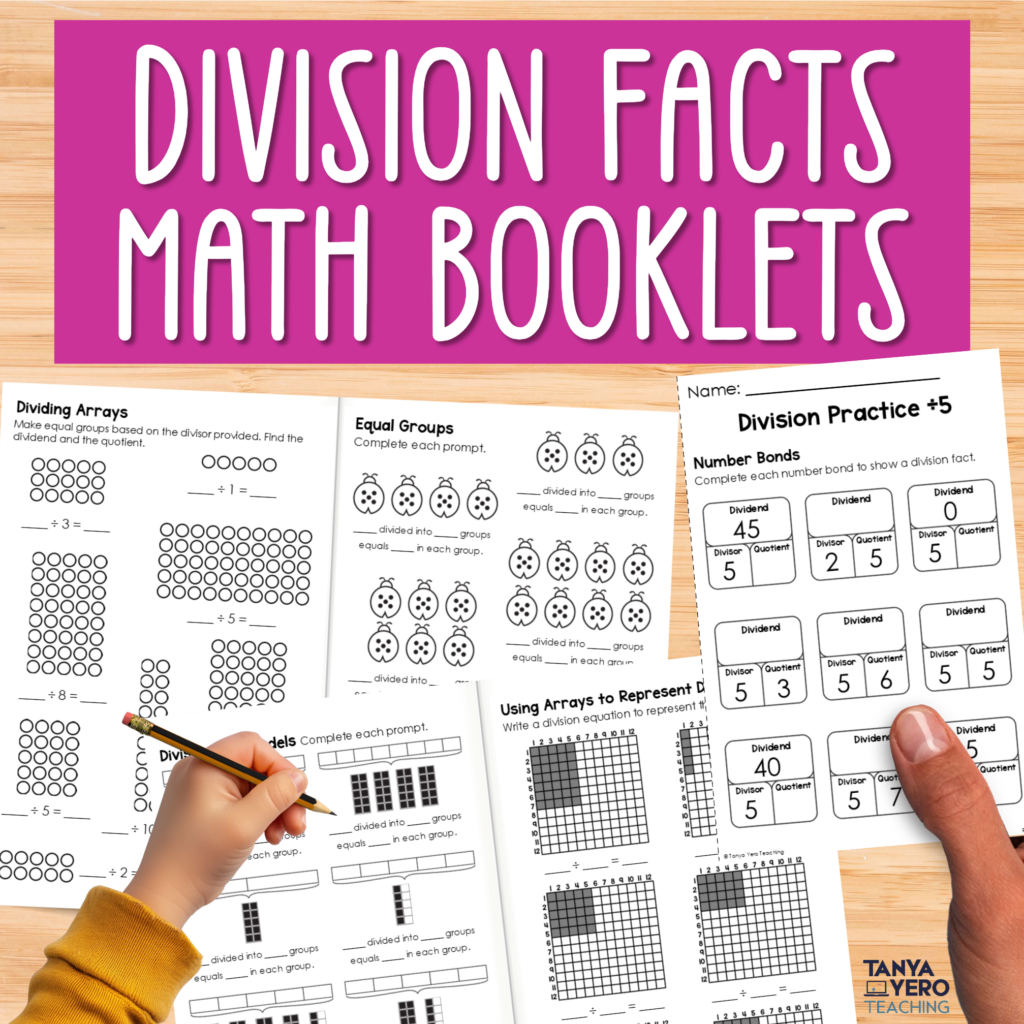
Let students practice with models that help them make sense of the facts.
For multiplication, this might include arrays, ten frames, equal groups, number bonds, fact strategies, and word problems.
Thursday: Strengthen Number Talks
Use number talks to help students explain their thinking and hear strategies from classmates.
This is where students build flexibility.
Discover Number Talks Resources
Friday: Review Strategies and Let Students Explain
End the week by asking students to reflect.
Try:
“What strategy helped you most this week?”
“What fact feels easier now?”
“What visual helped you understand the math?”
“What is one fact you can solve in more than one way?”
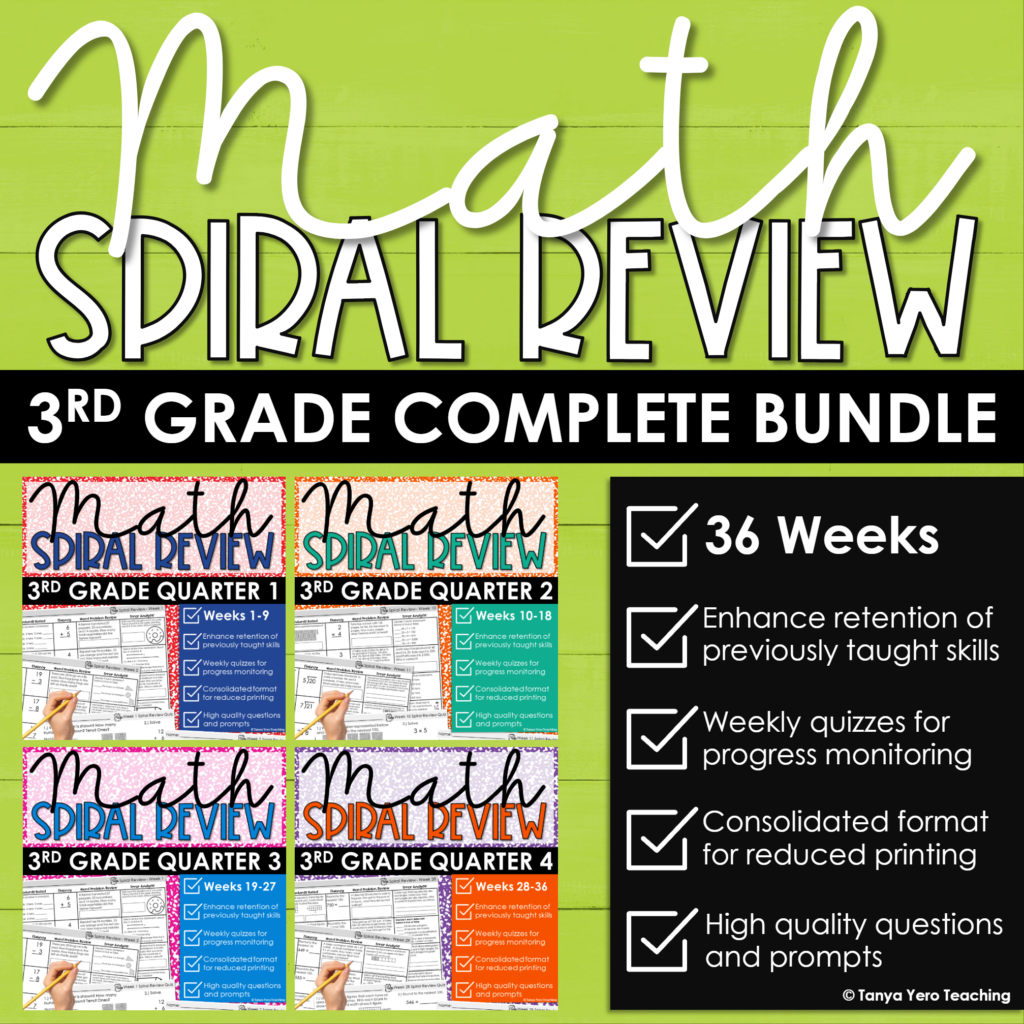
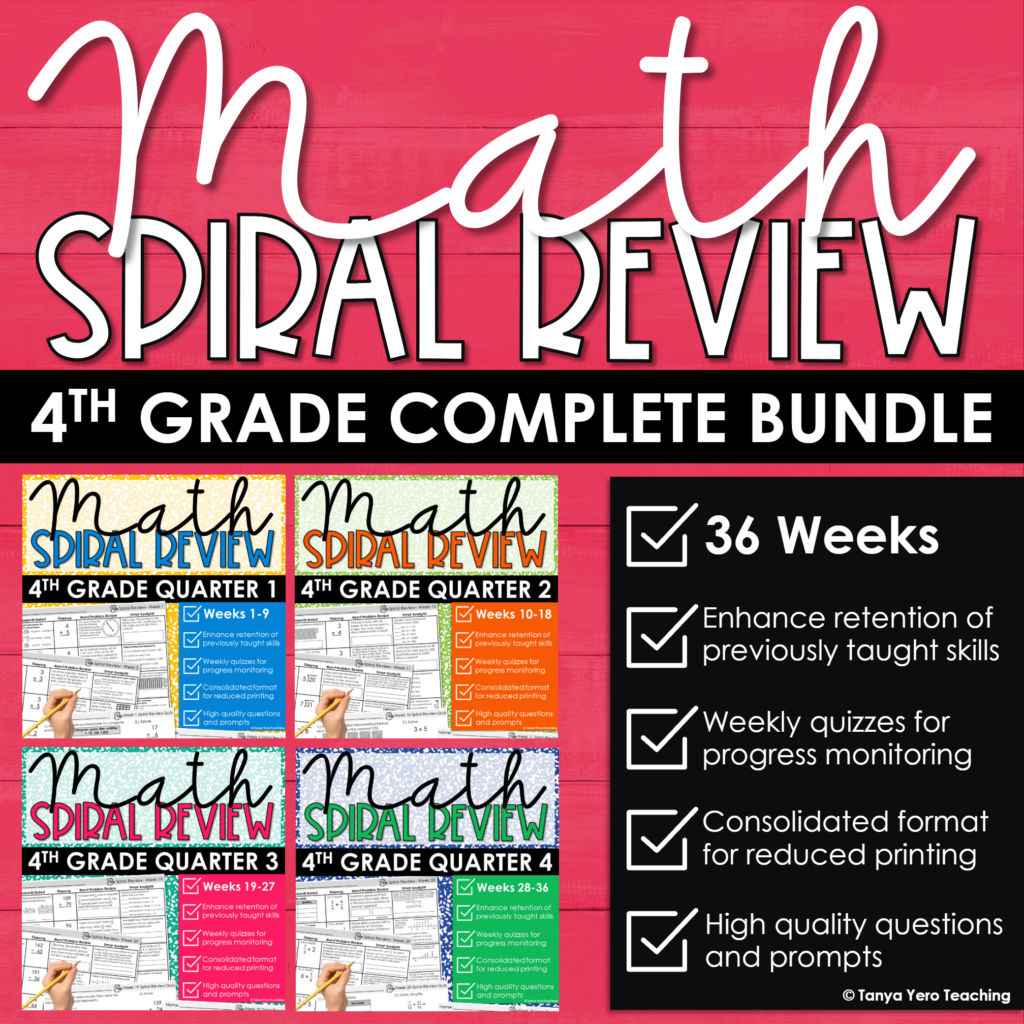
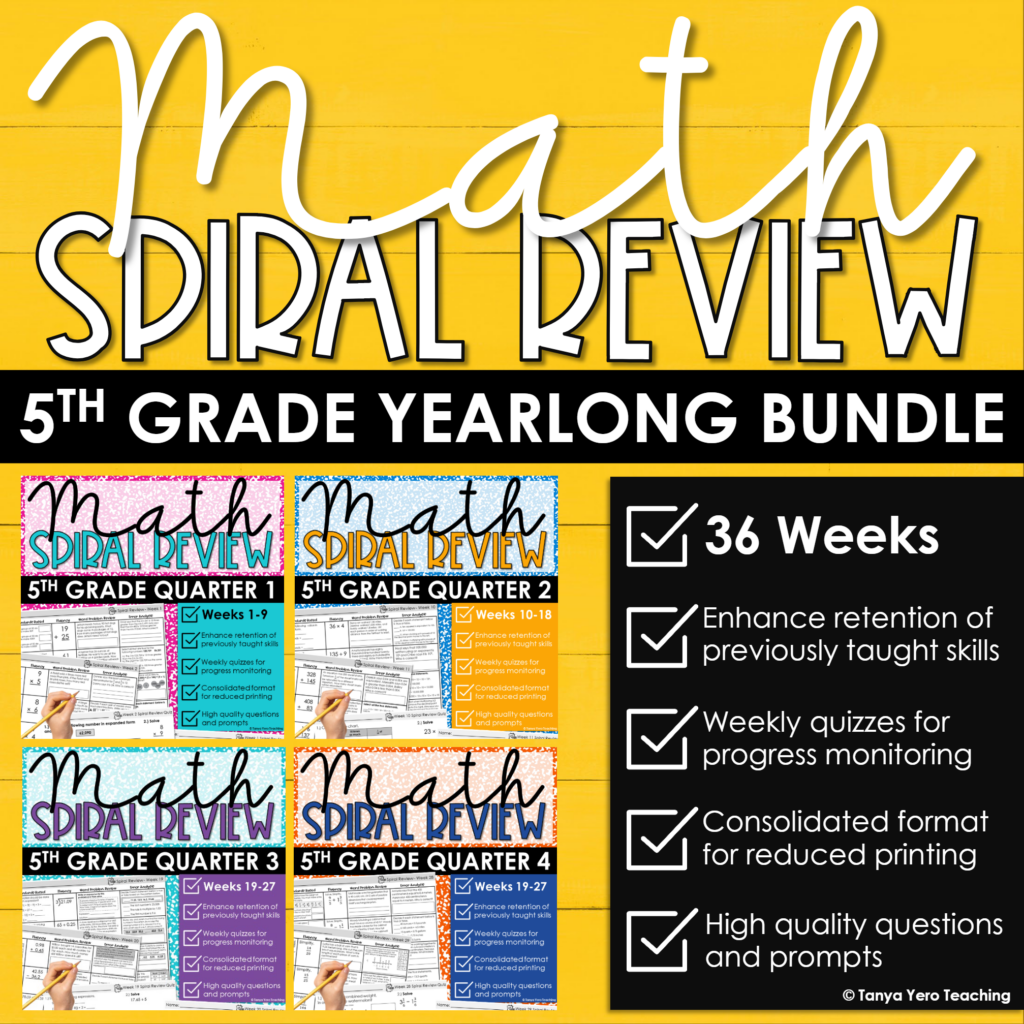
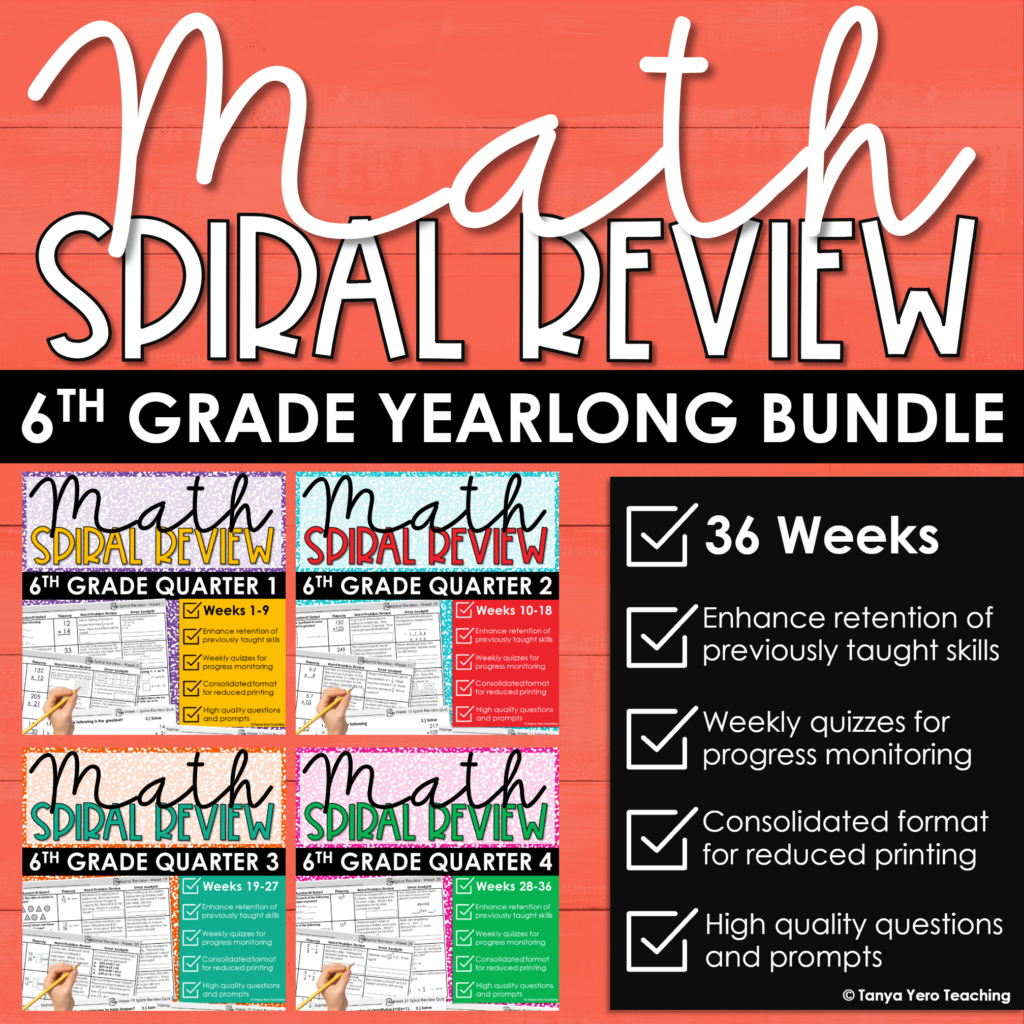
This is also a good day for spiral review or a quick student explanation activity.
Want to Go Deeper With Number Sense?
If you are ready to make number sense and fact fluency a bigger part of your instruction, this is where Number Sense University fits beautifully.
This is not just another resource to print.
It is the deeper support system for teachers who want to understand the strategies, build better routines, and strengthen fact fluency with more confidence.
If you’re ready to move beyond quick fluency activities and start building a stronger foundation for your students, Number Sense University is where I can help you do that.
Inside Number Sense University, I walk you through the number sense strategies students need in order to build true fact fluency, not just memorize facts long enough to pass a timed test. My goal is to help you strengthen your students’ understanding of numbers, operations, and strategies so they can solve with more accuracy, flexibility, and confidence.
You’ll get training on 29 different number sense strategies organized by grade level and operation, along with more than 1,100 pages of classroom-ready resources you can use to bring these strategies into your math block.
This is perfect if you’ve been wanting to build stronger fact fluency routines, but you don’t want to keep piecing everything together on your own.
Because when students understand numbers deeply, math facts don’t just become something they memorize. They become something they can see, explain, and use.
Ready to build stronger number sense routines in your classroom?
Fact fluency does not have to be a race.
It does not have to be all timed tests.
It does not have to be endless drill.
It does not have to be one more overwhelming thing added to your math block.
Students need to know their facts, yes.
But they also need to understand numbers.
They need visual models.
They need strategies.
They need conversations.
They need opportunities to explain their thinking.
They need practice that helps them build confidence, not just speed.
When students build fact fluency through number sense, the memorization starts to make more sense.
And that is where the magic happens.
Start small this week.
Choose one visual routine. Ask one better question. Add one model. Let students explain one strategy.
Those small shifts can change the way your students see math.